
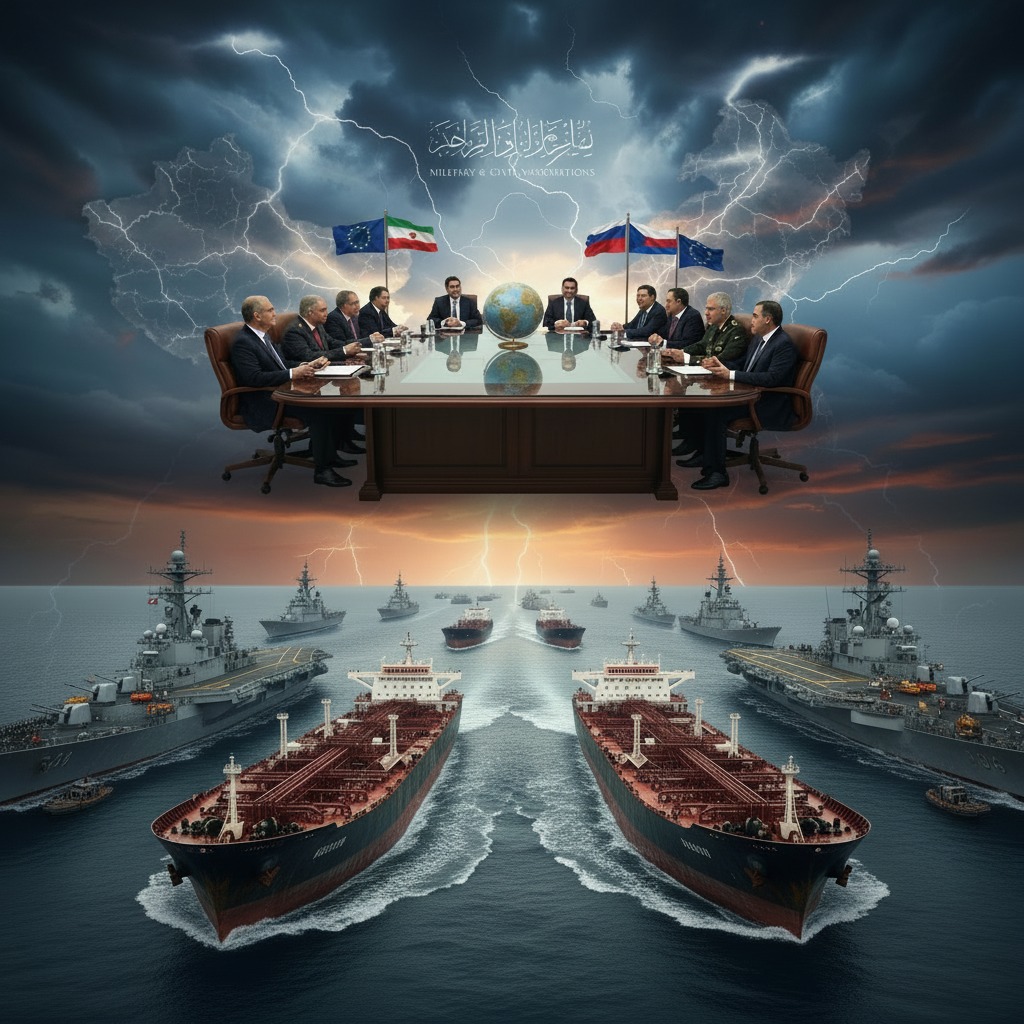
Negotiating Power and Leverage: Lessons from the Strait of Hormuz Stalemate
“Beyond the BATNA: Redefining Leverage in the Strait of Hormuz Stalemate”
This section explores how negotiators can redefine leverage even in seemingly powerless situations. It highlights strategies like cultivating partial alternatives, analyzing the counterparty’s hidden vulnerabilities, and reframing threats as warnings. For example, the text discusses how the U.S. could mitigate reliance on the Strait of Hormuz by developing alternative pipelines and renewable energy sources, thereby reducing Iran’s leverage. It also emphasizes the importance of mutual vulnerabilities, such as Iran’s dependence on the Strait for economic survival, and the use of tacit consent to create temporary solutions without formal agreements.
This approach demonstrates how creative negotiation tactics can shift power dynamics and achieve stability in high-stakes geopolitical conflicts.
Negotiating Power and Leverage: Lessons from the Strait of Hormuz Stalemate Read More »

