Iran

The image depicts a split composition contrasting the Peloponnesian War and the US-Iran conflict. On the left, ancient Greek warriors in detailed bronze armor are shown amidst a burning city with vivid flames and smoke. On the right, modern military forces, including the US Navy with warships, aircraft carriers, and drones, are set against a Middle Eastern desert landscape. A destroyed and burning section of Iran is depicted with realistic ruins, intense fire, and billowing smoke. The two sides are divided by a glowing digital rift, symbolizing the evolution of conflict over time

Parallèles entre les conflits historiques et la Guerre américano-iranienne

1. La guerre du Péloponnèse : Peur, rivalité et escalade À la base, la guerre du Péloponnèse nous raconte l’histoire étonnamment moderne de deux puissances qui s’observent du coin de l’œil, se défient, s’inquiètent. D’un côté, Athènes, pleine d’audace et avide de conquête sur les mers ; de l’autre, Sparte, forte de sa maîtrise de la […]

Parallèles entre les conflits historiques et la Guerre américano-iranienne Read More »

The image depicts a split composition contrasting the Peloponnesian War and the US-Iran conflict. On the left, ancient Greek warriors in detailed bronze armor are shown amidst a burning city with vivid flames and smoke. On the right, modern military forces, including the US Navy with warships, aircraft carriers, and drones, are set against a Middle Eastern desert landscape. A destroyed and burning section of Iran is depicted with realistic ruins, intense fire, and billowing smoke. The two sides are divided by a glowing digital rift, symbolizing the evolution of conflict over time

Historical Lessons for Modern Conflict: The Peloponnesian War, Great Power Rivalries, and the US-Iran Standoff

The Peloponnesian War, as recounted by Thucydides, is one of history’s most enduring case studies on the dynamics of power, rivalry, and the unintended consequences of prolonged conflict. Its lessons remain strikingly relevant today, particularly as tensions between the United States and Iran continue to simmer. This ancient conflict offers a lens through which we

Historical Lessons for Modern Conflict: The Peloponnesian War, Great Power Rivalries, and the US-Iran Standoff Read More »

Infographic detailing geopolitical dynamics around Iran, highlighting strategic interests, military postures, and alliances between key global and regional actors, with a focus on South Lebanon

Navigating Tensions: A Fresh Look at the Evolving Iran–US–Israel Dynamics

Table of Contents Executive Summary The Middle East stands on the cusp of significant change, caught between energy shocks, evolving security alliances, and a clear shift in the historic partnership between the United States and Israel. A hard-won, two-week ceasefire between the U.S. and Iran was reached on April 7, with each side eager to

Navigating Tensions: A Fresh Look at the Evolving Iran–US–Israel Dynamics Read More »

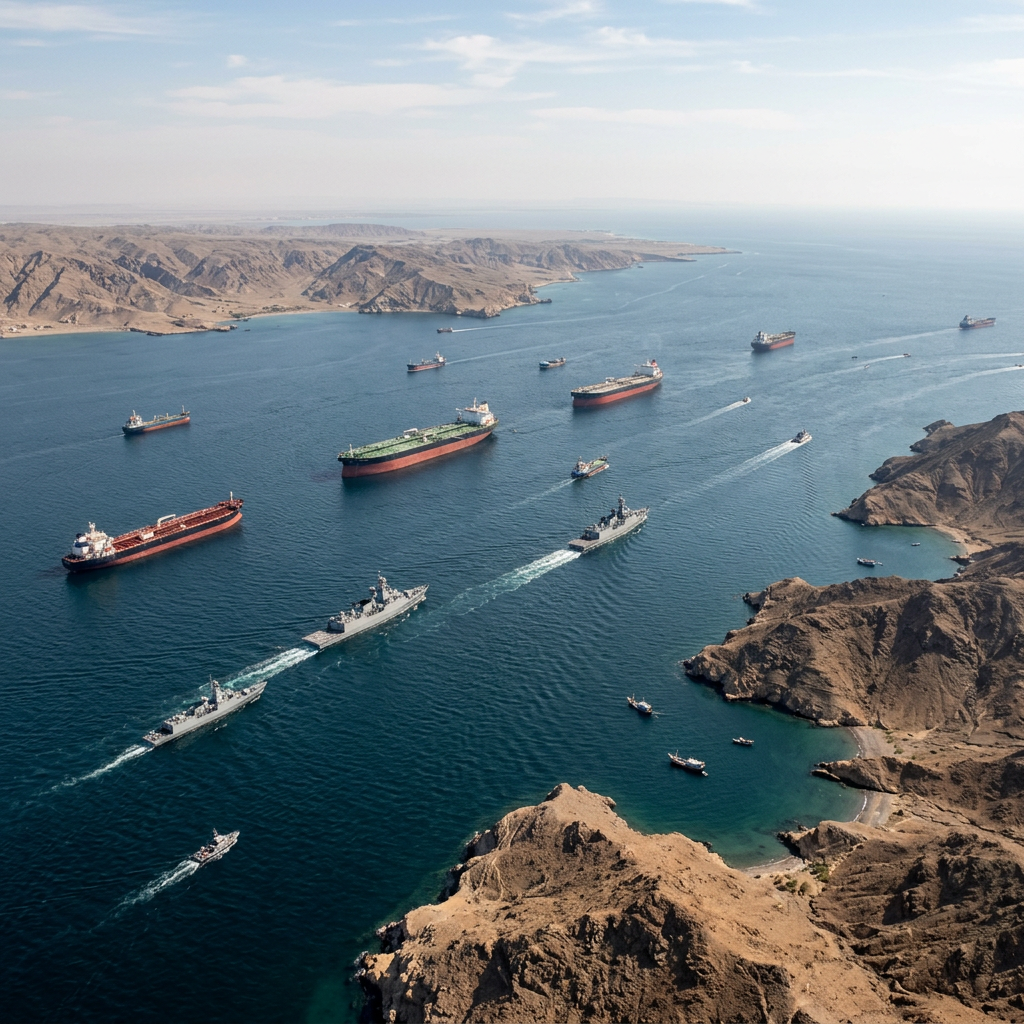
A high-resolution aerial view of the Strait of Hormuz, showcasing two massive aircraft carriers and their escorts alongside commercial vessels. The scene highlights global trade routes and military dominance, with no flags or emblems present, emphasizing the strategic importance of the maritime chokepoint

US Iran Strategic Report Update

Date: April 16, 2026Prepared by: Strategic Geopolitical Intelligence Unit – Responsible Public Affairs Executive Summary The strategic landscape of the Middle East is undergoing a defining transformation, driven by the decisive leadership of the United States and the uncompromising military resilience of Israel. Built upon the foundational successes of the “Maximum Pressure” doctrine championed by

US Iran Strategic Report Update Read More »

A dramatic composite image depicting high-stakes geopolitical discussions under a stormy sky, juxtaposed with a powerful naval fleet and oil tankers at sea, symbolizing global power dynamics and strategic tensions. Shadows of China and Russia loom in the background, representing their readiness to intervene with Iran

Negotiating Power and Leverage: Lessons from the Strait of Hormuz Stalemate

“Beyond the BATNA: Redefining Leverage in the Strait of Hormuz Stalemate”

This section explores how negotiators can redefine leverage even in seemingly powerless situations. It highlights strategies like cultivating partial alternatives, analyzing the counterparty’s hidden vulnerabilities, and reframing threats as warnings. For example, the text discusses how the U.S. could mitigate reliance on the Strait of Hormuz by developing alternative pipelines and renewable energy sources, thereby reducing Iran’s leverage. It also emphasizes the importance of mutual vulnerabilities, such as Iran’s dependence on the Strait for economic survival, and the use of tacit consent to create temporary solutions without formal agreements.

This approach demonstrates how creative negotiation tactics can shift power dynamics and achieve stability in high-stakes geopolitical conflicts.

Negotiating Power and Leverage: Lessons from the Strait of Hormuz Stalemate Read More »

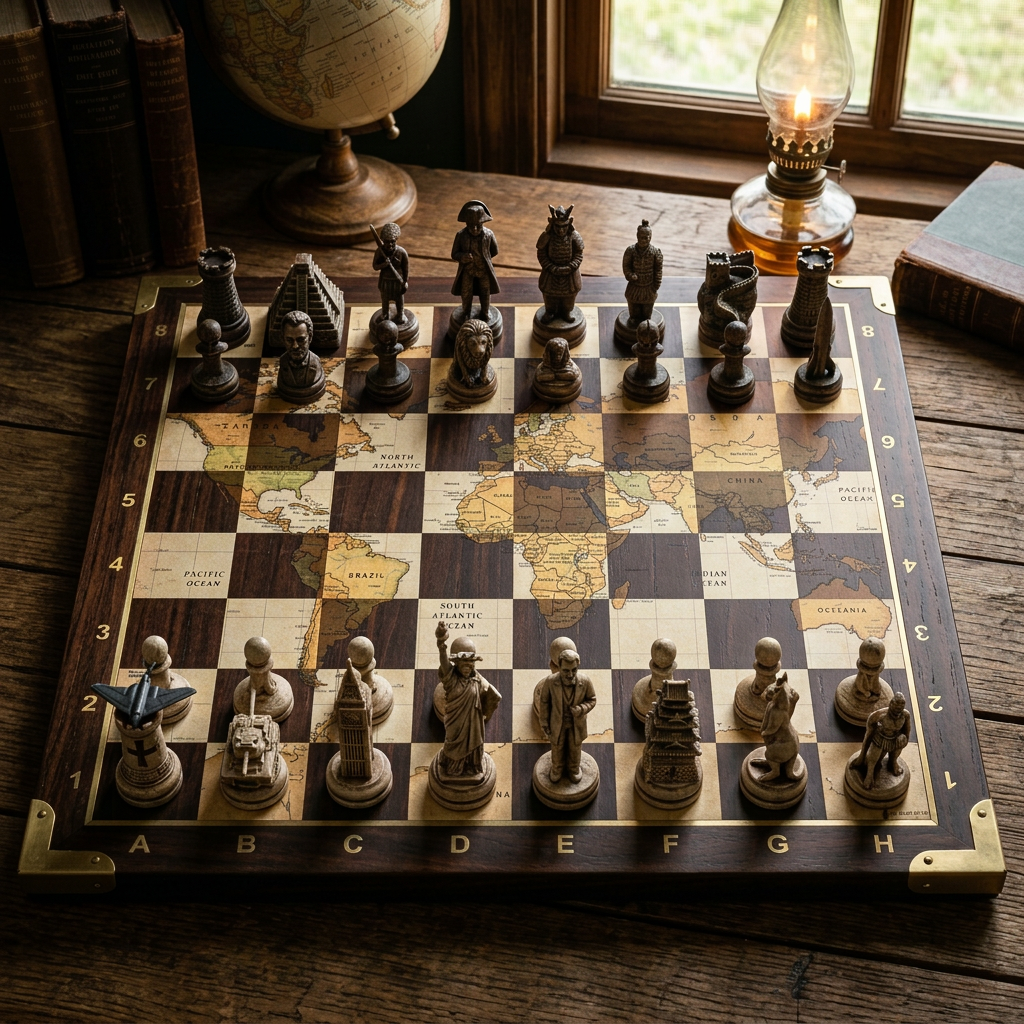
An editorial illustration depicting geopolitical tensions in the Middle East. The scene features a chessboard with symbolic chess pieces representing major powers like the United States, Iran, and Israel. Iconic landmarks and national flags are integrated into the background, while interconnected shadows symbolize Iranian proxies and regional actors. The atmosphere is serious, emphasizing high stakes and regional instability, rendered in a photorealistic style suitable for news or political analysis.

Current Tensions Between Iran, the US, and Israel

Key Points Iran’s Central Role in the CrisisIran remains at the heart of an international crisis involving Washington and Tel Aviv, driven by its accelerated nuclear program, ballistic expansion, repeated violations of international obligations, and structural support for a network of regional armed groups. Despite formal commitments under the Non-Proliferation Treaty (NPT) and the Joint

Current Tensions Between Iran, the US, and Israel Read More »

"Donald Trump and Benjamin Netanyahu engaged in a serious discussion at a table with maps and documents, symbolizing strategic planning for a potential strike on Iran. In the background, a distressed Iranian population under threat is depicted, symbolizing the ongoing massacre, while a fragmented and fading Europe looms in the distance, representing its absence from the debate. The scene is set with dark, moody tones and a faint light symbolizing hope and rescue."

Netanyahu’s Urgent Mission to Washington: Confronting Iran’s Missile and Satellite Threats

Prime Minister Benjamin Netanyahu’s upcoming visit to Washington, D.C., is a critical moment in the ongoing struggle to address the growing threats posed by Iran. While much of the global focus remains on Iran’s nuclear ambitions, Netanyahu’s trip highlights a broader and equally pressing concern: Iran’s ballistic missile program and its destabilizing impact on the

Netanyahu’s Urgent Mission to Washington: Confronting Iran’s Missile and Satellite Threats Read More »

ran Strategy Infographic: A professional visual representation of Iran's strategic balance, featuring elements like a nuclear symbol for its nuclear ambitions, a map of the Middle East highlighting the Strait of Hormuz, military equipment such as drones and missiles for asymmetric warfare, and flags of global powers (USA, Russia, China) to depict geopolitical positioning

La stratégie iranienne : une analyse technique entre négociation et coercition

La politique étrangère de la République islamique d’Iran est un objet d’étude fascinant pour les spécialistes des relations internationales et des sciences militaires. Souvent qualifiée de duale, elle oscille en permanence entre des postures de négociation diplomatique et de coercition militaire. Cette approche n’est pas contradictoire mais constitue une doctrine stratégique cohérente, ancrée dans la

La stratégie iranienne : une analyse technique entre négociation et coercition Read More »

"Carte géopolitique du Moyen-Orient mettant en évidence l'Iran et la présence stratégique des bâtiments de la Navy américaine, incluant des porte-avions, destroyers et sous-marins positionnés dans des zones clés comme le Golfe Persique et l'océan Indien. Style moderne avec des couleurs sobres bleu, gris et rouge."

Les dynamiques géopolitiques autour de l’Iran et des tensions globales : entre alliances fragiles, ambitions nucléaires et pressions internationales

La position géopolitique de l’Iran et les tensions globales qui en découlent sont marquées par des rivalités historiques, des ambitions nucléaires controversées et des alliances fluctuantes. Ce contexte met en lumière les relations entre l’Iran, les États-Unis, la Russie, la Chine et les puissances régionales comme Israël, ainsi que les implications pour la stabilité régionale

Les dynamiques géopolitiques autour de l’Iran et des tensions globales : entre alliances fragiles, ambitions nucléaires et pressions internationales Read More »

"An intense illustration depicting the escalating U.S.-Iran tensions. The Strait of Hormuz is shown with oil tankers under threat, surrounded by Iranian naval forces, patrol boats, and naval mines. A U.S. aircraft carrier group approaches, with jets taking off and helicopters in the air, symbolizing military reinforcement. In the background, a mural-style depiction of protestors holding signs for freedom and justice contrasts with shadowy, menacing figures representing the Iranian regime. The color palette features fiery reds and deep blues, emphasizing conflict and urgency."

L’Iran et ses Proxies Intensifient leurs Menaces face au Renforcement Militaire des États-Unis

Hajj Abu Husayn al Hamidawi, le leader de la milice irakienne pro-iranienne Kataib Hezbollah, a récemment été photographié en train de remplir un formulaire de « volontaire martyr ». Téhéran et son réseau d’alliés régionaux ont intensifié leurs menaces contre les États-Unis et Israël en réponse à la décision de Washington d’augmenter sa présence militaire

L’Iran et ses Proxies Intensifient leurs Menaces face au Renforcement Militaire des États-Unis Read More »