
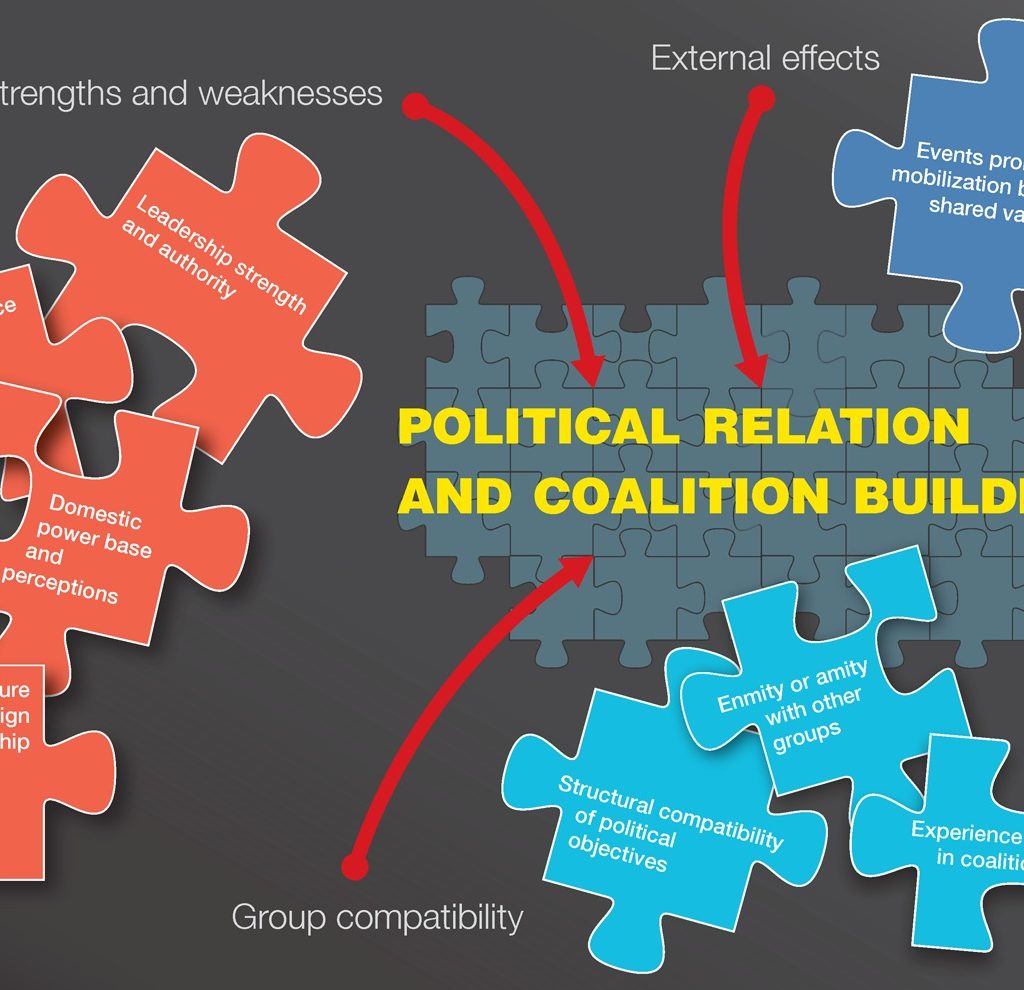
Coalition Building: A Comprehensive Definition and Explanation
Coalition building is the art and science of bringing together diverse individuals, groups, or organizations to work collaboratively toward a shared goal. It is a deliberate and strategic process that unites stakeholders—often from different sectors, backgrounds, or perspectives—around a common cause. At its core, coalition building is about amplifying collective power, pooling resources, and creating a unified voice to tackle challenges that no single entity could address alone.
Coalitions are formed to solve complex problems, influence decision-makers, and drive meaningful change. Whether it’s advocating for policy reform, addressing social injustices, or responding to global crises, coalition building is a powerful tool for creating impact. It is rooted in the belief that collaboration is not just beneficial—it is essential for addressing the interconnected challenges of our time.
The Core Principles of Coalition Building
- A Shared Purpose
Every coalition begins with a clear and compelling goal. This shared purpose is the foundation of the coalition’s work, ensuring that all members are aligned and motivated. Whether the mission is to combat climate change, improve public health, or advocate for human rights, the coalition’s purpose must resonate deeply with its members and inspire collective action. - Diversity and Inclusion
The strength of a coalition lies in its diversity. By bringing together individuals and organizations with different perspectives, expertise, and resources, coalitions can approach problems from multiple angles and develop innovative solutions. Inclusion is key—every voice matters, and every member should feel valued and empowered to contribute. - Collaboration and Trust
Trust is the glue that holds a coalition together. Building strong relationships among members is essential for fostering collaboration, resolving conflicts, and maintaining unity. Open communication, transparency, and mutual respect are the cornerstones of a successful coalition. - Resource Sharing
Coalitions thrive on the principle of shared resources. Members contribute their time, expertise, networks, and funding to achieve the coalition’s goals. This pooling of resources not only increases efficiency but also ensures that the coalition has the capacity to make a meaningful impact. - Strategic Focus
A coalition without a plan is like a ship without a compass. Successful coalitions operate with a clear strategy, outlining specific objectives, roles, and timelines. This focus ensures that efforts are coordinated, progress is measurable, and resources are used effectively. - Sustainability
Coalitions are not just about short-term wins—they are about creating lasting change. Planning for sustainability is critical, whether it involves securing long-term funding, maintaining member engagement, or adapting to evolving challenges.
Types of Coalitions
Coalitions come in many forms, each tailored to the specific needs of the issue or community they serve. Common types include:
- Advocacy Coalitions
These coalitions focus on influencing public policy or legislation. For example, a coalition of healthcare organizations might work together to advocate for expanded access to affordable care. - Community Coalitions
Formed at the local level, these coalitions address specific community issues, such as improving education, reducing crime, or increasing access to clean water. - Issue-Based Coalitions
These coalitions are organized around a single cause, such as combating human trafficking, promoting gender equality, or addressing homelessness. - Cross-Sector Coalitions
These bring together stakeholders from different sectors—government, business, civil society, and academia—to tackle complex, multi-dimensional challenges like climate change or economic inequality. - Global or Regional Coalitions
Operating on an international or regional scale, these coalitions address issues that transcend borders, such as global health crises, international security, or environmental conservation.
The Process of Building a Coalition
Building a coalition is a dynamic process that requires careful planning, relationship-building, and adaptability. Here’s how it typically unfolds:
- Define the Issue
Start by clearly identifying the problem or goal the coalition will address. A well-defined issue ensures that all members are aligned and focused on a common purpose. - Recruit Members
Effective coalitions bring together a diverse range of stakeholders who share a commitment to the cause. Recruitment should prioritize individuals and organizations with complementary skills, resources, and perspectives. - Establish a Structure
A clear organizational structure is essential for effective collaboration. This includes defining leadership roles, decision-making processes, and communication channels. - Build Relationships
Trust and collaboration are the foundation of any successful coalition. Invest time in building relationships, resolving conflicts, and fostering a sense of shared ownership among members. - Develop a Strategic Plan
A detailed plan outlines the coalition’s goals, strategies, and actions. It should include measurable objectives, timelines, and roles for each member. - Take Action
With the plan in place, the coalition can begin implementing its strategies. This might involve advocacy campaigns, public awareness initiatives, or direct service delivery. - Monitor and Evaluate
Regularly assess the coalition’s progress to ensure it remains on track and can adapt to new challenges or opportunities. Evaluation also helps demonstrate the coalition’s impact to stakeholders and funders. - Sustain the Coalition
Long-term success requires ongoing member engagement, resource development, and adaptability. Coalitions must plan for sustainability to ensure their efforts continue to make an impact.
Why Coalition Building Matters
Coalition building is more than just collaboration—it is a force multiplier. By uniting diverse stakeholders around a common goal, coalitions can achieve far more than any individual or organization could on their own. Here’s why coalition building is so important:
- Amplified Influence
A coalition’s collective voice is far more powerful than that of any single member. Together, coalitions can attract greater attention, resources, and support for their cause. - Resource Efficiency
By pooling resources, coalitions reduce duplication of effort and maximize impact. This is especially valuable when addressing large-scale challenges that require significant investment. - Diverse Perspectives
The inclusion of diverse stakeholders ensures that coalitions benefit from a wide range of ideas, experiences, and expertise. This leads to more innovative and effective solutions. - Strength in Numbers
Coalitions demonstrate solidarity and shared commitment, which can be particularly persuasive to policymakers, funders, and the public. - Systemic Change
Many of the world’s most pressing challenges—poverty, inequality, climate change—require coordinated, multi-sector responses. Coalitions are uniquely positioned to drive the systemic change needed to address these issues.
Challenges in Coalition Building
While coalition building offers immense potential, it is not without challenges. Common obstacles include:
- Conflicting Agendas: Members may have differing priorities or approaches, leading to tension or inefficiency.
- Resource Constraints: Limited funding or capacity can hinder the coalition’s ability to achieve its goals.
- Sustaining Engagement: Maintaining member commitment over time requires ongoing communication, trust-building, and shared successes.
- Power Imbalances: Unequal power among members can create friction and undermine collaboration.
- External Resistance: Coalitions may face opposition from entrenched interests or powerful stakeholders.
Overcoming these challenges requires strong leadership, clear communication, and a commitment to the coalition’s shared purpose.
Conclusion
Coalition building is a powerful strategy for creating change. It brings people together, amplifies their collective voice, and drives solutions to complex challenges. Whether addressing local issues or global crises, coalitions demonstrate the strength of unity and the power of collaboration. They remind us that when we work together, we can achieve what once seemed impossible.
In a world that often feels divided, coalition building is a testament to the enduring human capacity for cooperation and progress. It is not just a tool for change—it is a blueprint for a better future.
Discover more from Responsible Public Affairs
Subscribe to get the latest posts sent to your email.