
Issue Management: A Definition and Narrative
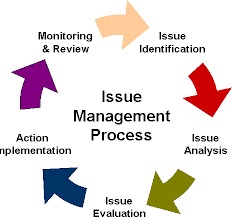
Issue management is the proactive process of identifying, analyzing, and addressing challenges or opportunities that could impact an organization’s reputation, operations, or strategic goals. It’s about staying ahead of the curve—anticipating potential risks, understanding their implications, and taking decisive action to mitigate harm or seize opportunities. In the realms of public affairs, government relations, and lobbying, issue management is a critical function that ensures organizations remain agile, credible, and prepared to navigate complex and ever-changing environments.
At its heart, issue management is about foresight and strategy. It’s not just about reacting to problems as they arise—it’s about creating a system to monitor the external landscape, engage with stakeholders, and craft tailored responses that protect an organization’s interests while advancing its objectives. Done well, issue management transforms uncertainty into clarity and challenges into opportunities.
What Is Issue Management?
To fully understand issue management, it’s helpful to break it down into its core components:
- Issue Identification
The first step is spotting potential or emerging issues that could affect the organization. These might include legislative proposals, regulatory changes, public controversies, or shifts in public opinion. Effective issue identification requires constant monitoring of the political, social, and economic landscape through tools like media tracking, stakeholder feedback, and policy analysis. - Issue Analysis and Prioritization
Not all issues carry the same weight. Once identified, issues must be analyzed to determine their potential impact and urgency. This involves asking key questions:- How relevant is this issue to the organization’s goals or operations?
- What are the potential consequences if it’s not addressed?
- How quickly does action need to be taken?
- Who are the key stakeholders involved, and what are their positions?
- Strategic Planning
After prioritization, the next step is to develop a strategy for managing the issue. This includes:- Defining Objectives: What does the organization want to achieve?
- Crafting Messages: What key points need to be communicated to stakeholders?
- Identifying Tactics: What actions will be taken, such as lobbying, public awareness campaigns, or stakeholder engagement?
- Stakeholder Engagement
Effective issue management requires collaboration with stakeholders, including policymakers, industry groups, advocacy organizations, and the public. Engaging stakeholders early and often helps build trust, align interests, and create opportunities for collaboration. - Implementation and Execution
With a strategy in place, the organization must act. This might involve meeting with legislators, launching a public relations campaign, or mobilizing grassroots support. Execution requires coordination across teams and a commitment to staying on message. - Monitoring and Adaptation
Issue management is not a one-and-done process. As circumstances evolve, organizations must continuously monitor the issue, evaluate the effectiveness of their strategies, and adapt their approach as needed. Flexibility and responsiveness are key to staying ahead of developments. - Evaluation and Learning
After the issue has been addressed, it’s important to evaluate the outcomes and identify lessons learned. This helps organizations refine their issue management processes and improve their preparedness for future challenges.
Why Is Issue Management So Important?
In today’s fast-moving and interconnected world, issue management is not just a defensive strategy—it’s a proactive tool for shaping outcomes and driving success. Here’s why it’s essential:
1. Protecting Reputation and Credibility
An organization’s reputation is one of its most valuable assets. Poorly managed issues can lead to public backlash, loss of trust, and long-term damage to credibility. Issue management ensures that organizations are prepared to address challenges in a way that protects their reputation and demonstrates accountability.
For example, if a company faces criticism over its environmental practices, a proactive issue management strategy might involve engaging with environmental groups, improving sustainability efforts, and transparently communicating progress to the public.
2. Influencing Policy and Regulation
In public affairs and lobbying, issue management is essential for shaping policy outcomes. By identifying emerging legislative or regulatory issues early, organizations can engage with policymakers, provide input, and advocate for solutions that align with their interests.
For instance, a healthcare organization might monitor proposed changes to healthcare regulations and work to ensure that new policies support patient access and innovation.
3. Mitigating Risks
Issues that are left unaddressed can escalate into crises, with significant financial, operational, and reputational consequences. Issue management helps organizations identify risks early and take proactive steps to mitigate them, reducing the likelihood of negative outcomes.
For example, a company facing potential labor disputes might engage with employee representatives, address grievances, and implement policies to improve workplace conditions before tensions escalate.
4. Seizing Opportunities
Issue management isn’t just about avoiding problems—it’s also about recognizing and capitalizing on opportunities. By staying attuned to the external environment, organizations can identify trends, partnerships, or policy changes that align with their goals and position themselves as leaders in their field.
For example, a renewable energy company might leverage growing public and political support for clean energy to advocate for favorable policies and secure funding for new projects.
5. Building Stakeholder Relationships
Effective issue management fosters trust and collaboration with stakeholders. By engaging stakeholders early and transparently, organizations can build stronger relationships, align interests, and create a foundation for long-term partnerships.
For instance, a nonprofit advocating for education reform might work closely with teachers, parents, and policymakers to develop solutions that address shared concerns.
6. Maintaining Agility in a Dynamic Environment
The political, social, and economic landscape is constantly changing. Issue management ensures that organizations remain agile and prepared to adapt to new challenges and opportunities. This flexibility is essential for staying relevant and effective in a competitive and fast-moving world.
A Narrative: Issue Management in Action
Imagine a technology company discovers that a proposed piece of legislation could impose strict data privacy regulations, potentially impacting its operations. Through its issue management process, the company identifies the legislation early and analyzes its potential impact. Recognizing the urgency and significance of the issue, the company prioritizes it as a top concern.
The company’s public affairs team develops a strategy to address the issue. They craft clear, data-driven messages about how the legislation could unintentionally stifle innovation while proposing alternative solutions that balance privacy protections with business needs. They engage with policymakers, industry associations, and advocacy groups to build support for their position.
At the same time, the company launches a public awareness campaign to educate stakeholders about the broader implications of the legislation. They host roundtable discussions, publish op-eds, and leverage social media to amplify their message. Throughout the process, they monitor developments, adapt their strategy as needed, and maintain open lines of communication with stakeholders.
Ultimately, the company’s proactive approach helps shape the final legislation, ensuring that it addresses privacy concerns without hindering innovation. By managing the issue effectively, the company not only protects its interests but also strengthens its reputation as a responsible and forward-thinking industry leader.
Challenges in Issue Management
While issue management is essential, it comes with challenges. Common obstacles include:
- Information Overload: Monitoring the external environment can be overwhelming, especially in industries with rapid change or high levels of regulation.
- Resource Constraints: Effective issue management requires time, expertise, and funding, which may be limited.
- Stakeholder Complexity: Balancing the interests of diverse stakeholders can be challenging, particularly when their priorities conflict.
- Uncertainty: Issues often evolve unpredictably, requiring organizations to remain flexible and responsive.
Overcoming these challenges requires strategic planning, collaboration, and a commitment to continuous improvement.
Conclusion: The Strategic Power of Issue Management
Issue management is the backbone of effective public affairs, government relations, and lobbying strategies. It empowers organizations to anticipate challenges, seize opportunities, and navigate complex environments with confidence and agility. By proactively identifying and addressing issues, organizations can protect their reputation, influence policy, and build stronger relationships with stakeholders.
In a world where the stakes are high and the pace of change is relentless, issue management is not just about avoiding problems—it’s about shaping the future. It’s about turning potential risks into opportunities, building trust through transparency, and demonstrating leadership in the face of uncertainty. Done well, issue management doesn’t just safeguard an organization’s interests—it drives its success.
Discover more from Responsible Public Affairs
Subscribe to get the latest posts sent to your email.