
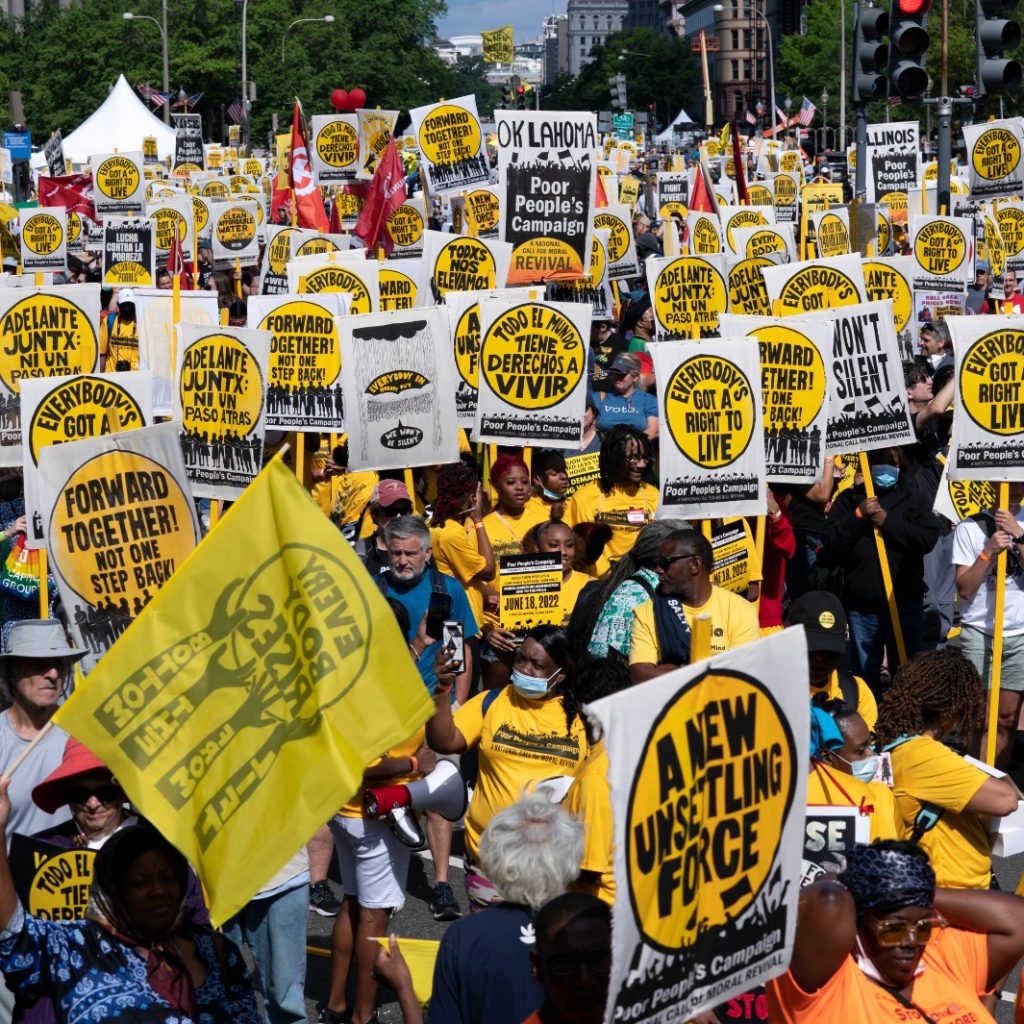
Mobilization of Third Parties: A Definition and Narrative
Mobilization of third parties is the strategic engagement and activation of external individuals, organizations, or groups to advocate for a specific cause, policy, or campaign. These third parties—such as industry associations, advocacy groups, community leaders, academics, or grassroots organizations—bring independent voices, credibility, and influence to the table. By leveraging their networks, expertise, and reputations, organizations can amplify their messages, broaden their reach, and strengthen their ability to influence decision-makers.
At its core, third-party mobilization is about building alliances and empowering others to champion a shared cause. It’s not just about enlisting support—it’s about creating a coalition of voices that collectively drive action and change. In lobbying and influence campaigns, mobilizing third parties transforms advocacy from a single-entity effort into a powerful, multi-dimensional movement that resonates with policymakers, stakeholders, and the public.
What Is Third-Party Mobilization?
To fully understand its role, let’s break down the key components of third-party mobilization:
- Identifying Third Parties
The first step is identifying individuals or groups whose voices and influence can support the campaign’s objectives. These might include:- Industry Associations: Groups that represent businesses or professionals in a specific sector.
- Advocacy Organizations: Nonprofits or NGOs that align with the campaign’s goals.
- Community Leaders: Influential figures within local communities, such as religious leaders, educators, or activists.
- Academics and Experts: Subject matter experts who can provide data-driven insights and lend credibility to the cause.
- Grassroots Organizations: Local or regional groups that can mobilize public support and action.
- Building Relationships
Mobilization begins with building trust and relationships with third parties. This involves understanding their priorities, aligning on shared goals, and demonstrating how the campaign supports their interests. Authenticity and transparency are critical to fostering genuine partnerships. - Empowering Third Parties
Once engaged, third parties need the tools and resources to advocate effectively. This might include:- Providing data, research, or talking points to support their messaging.
- Offering platforms for them to share their perspectives, such as public events, media opportunities, or social media campaigns.
- Coordinating efforts to ensure consistency and alignment across the coalition.
- Amplifying Their Voices
Third-party mobilization is most effective when their voices are amplified through strategic channels. This might involve:- Highlighting their perspectives in media coverage or public forums.
- Sharing their messages on social media or through digital campaigns.
- Encouraging them to engage directly with policymakers or other stakeholders.
- Sustaining Engagement
Mobilization is not a one-time effort—it requires ongoing engagement and collaboration. This involves maintaining open lines of communication, providing updates on progress, and celebrating shared successes.
Why Is Third-Party Mobilization Important for Lobbying and Influence Campaigns?
Mobilizing third parties is a cornerstone of effective lobbying and influence strategies. Here’s why it’s so critical:
1. Enhancing Credibility
Third-party voices often carry more weight than those of the organization leading the campaign. Policymakers and the public are more likely to trust independent entities that advocate for a cause because they are perceived as unbiased and authentic. Mobilizing respected third parties—such as academics, community leaders, or advocacy groups—adds credibility and legitimacy to the campaign.
For example, a healthcare company advocating for expanded access to medications might partner with patient advocacy groups and medical professionals to strengthen its case.
2. Broadening Reach and Impact
Third parties bring their own networks, audiences, and platforms, significantly expanding the campaign’s reach. By engaging a diverse coalition of supporters, organizations can amplify their message and ensure it resonates with a wider range of stakeholders.
For instance, an environmental organization lobbying for clean energy policies might mobilize local community groups, industry associations, and climate scientists to create a multi-layered campaign that reaches policymakers, businesses, and the public.
3. Creating Grassroots Momentum
Grassroots support is a powerful force in lobbying and influence campaigns. Mobilizing third parties—such as local organizations or community leaders—can help generate public awareness, inspire collective action, and create pressure on decision-makers to act.
For example, a labor union advocating for higher wages might work with community groups to organize rallies, petitions, and public forums that demonstrate widespread support for the cause.
4. Building Coalitions for Long-Term Change
Mobilizing third parties is not just about achieving immediate goals—it’s about building coalitions that can drive sustained advocacy and influence. By aligning with like-minded organizations and individuals, campaigns can create a united front that is more resilient and impactful over time.
For instance, a coalition of education nonprofits, parent-teacher associations, and academic experts might work together to advocate for long-term reforms in public education funding.
5. Influencing Policymakers
Policymakers are more likely to act when they see broad-based support for an issue. Mobilizing third parties demonstrates that the campaign’s goals are not just the priorities of one organization but are widely supported by diverse stakeholders. This creates a compelling case for action.
For example, a trade association lobbying for regulatory changes might mobilize small business owners, economists, and consumer advocacy groups to show that the proposed changes benefit multiple constituencies.
6. Navigating Political and Cultural Contexts
In global campaigns, third-party mobilization is particularly valuable for navigating diverse political and cultural landscapes. Local organizations and leaders understand the nuances of their regions and can tailor messages to resonate with their communities.
For instance, a global nonprofit advocating for clean water access might partner with local NGOs and community leaders in different countries to ensure its messaging is culturally relevant and impactful.
A Narrative: Third-Party Mobilization in Action
Imagine a renewable energy company advocating for policies that support the transition to clean energy. Recognizing that its voice alone may not be enough to sway policymakers, the company embarks on a third-party mobilization strategy.
- Identifying Third Parties: The company identifies key stakeholders, including environmental advocacy groups, local community organizations, and renewable energy industry associations.
- Building Relationships: It engages these groups through meetings, workshops, and collaborative discussions, aligning on shared goals and demonstrating how the proposed policies benefit all parties.
- Empowering Advocates: The company provides data, case studies, and talking points to support their advocacy efforts. It also offers platforms for them to share their perspectives, such as public events and media opportunities.
- Amplifying Voices: The company highlights the voices of these third parties in its social media campaigns, press releases, and lobbying efforts, ensuring their messages reach policymakers and the public.
- Sustaining Engagement: As the campaign progresses, the company maintains regular communication with its partners, providing updates on legislative developments and celebrating milestones together.
The result? A powerful coalition of voices advocating for clean energy policies, creating public momentum and influencing policymakers to take action.
Challenges in Third-Party Mobilization
While third-party mobilization is a powerful strategy, it comes with challenges:
- Aligning Interests: Different third parties may have varying priorities or perspectives, making it challenging to align on shared goals.
- Maintaining Authenticity: Overly orchestrated efforts can appear insincere, undermining the credibility of the campaign.
- Resource Constraints: Building and sustaining relationships with third parties requires time, effort, and resources.
- Managing Diverse Stakeholders: Coordinating a coalition of diverse groups can be complex, particularly in global campaigns with cultural and political differences.
Overcoming these challenges requires transparency, collaboration, and a commitment to building genuine partnerships.
Conclusion: The Strategic Power of Third-Party Mobilization
Mobilization of third parties is a cornerstone of successful lobbying and influence campaigns. By engaging and empowering external voices, organizations can enhance their credibility, broaden their reach, and create a powerful coalition of support. In an era where trust and authenticity are paramount, third-party mobilization transforms advocacy from a singular effort into a collective movement.
When done effectively, third-party mobilization doesn’t just amplify messages—it builds momentum, fosters collaboration, and drives meaningful change. It ensures that campaigns are not just heard but felt, creating a ripple effect that influences policymakers, inspires the public, and shapes the future. In the world of lobbying and influence, the power of many is always greater than the power of one.
Discover more from Responsible Public Affairs
Subscribe to get the latest posts sent to your email.