
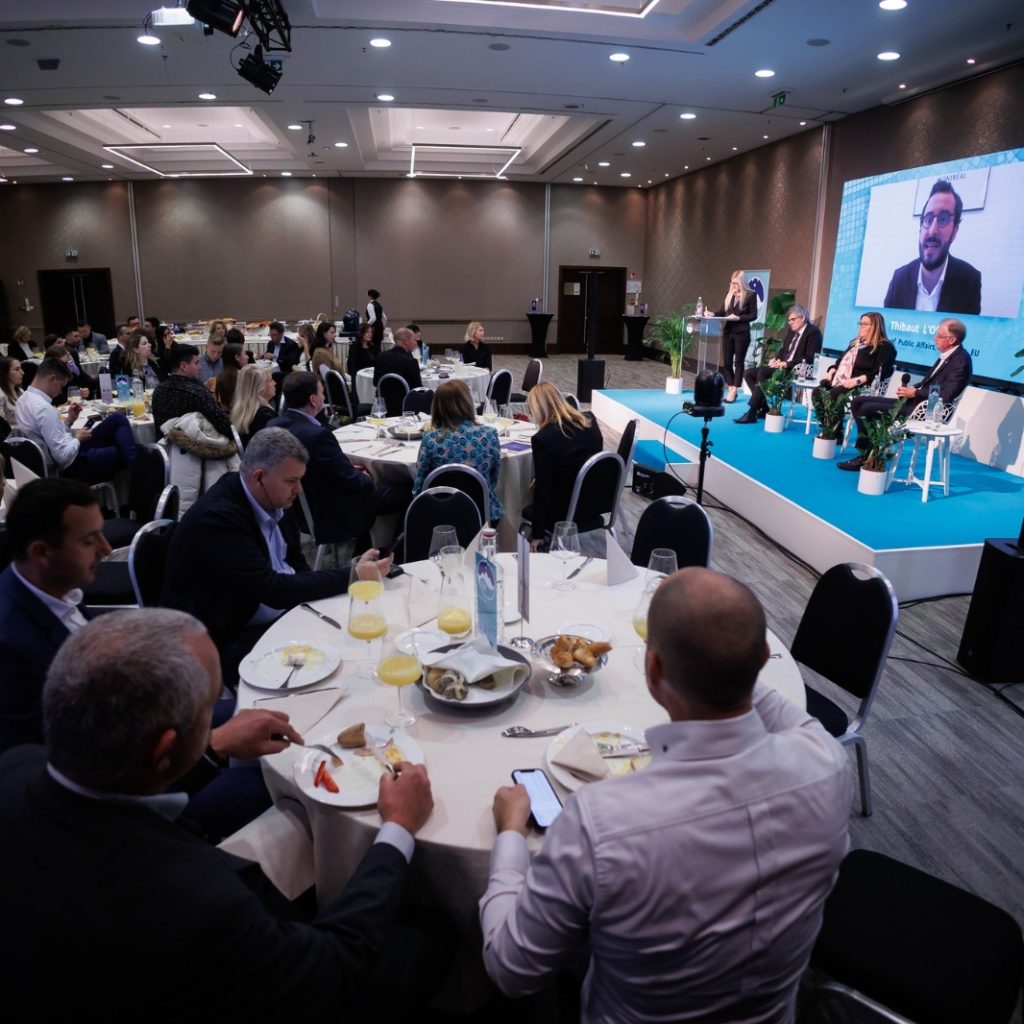
Public Affairs Event & Management
Public affairs event and management is the strategic planning, execution, and evaluation of events designed to engage key stakeholders, influence decision-makers, and advance advocacy or lobbying objectives. These events are not just gatherings—they are carefully crafted opportunities to communicate critical messages, build relationships, and shape perceptions in ways that drive meaningful change.
Whether it’s a high-profile policy forum, a grassroots town hall, or a networking reception, public affairs events are powerful tools for fostering dialogue, demonstrating leadership, and amplifying influence. Event management in this context ensures that every detail—from the purpose and messaging to the logistics and follow-up—is aligned with the broader goals of public affairs, government relations, and lobbying campaigns.
At their core, public affairs events are about connection. They create spaces where ideas are exchanged, relationships are built, and decisions are influenced. When managed effectively, these events can be transformative, turning advocacy into action and ideas into impact.
What Is Public Affairs Event & Management?
To fully understand its significance, let’s break it down into its essential components:
- Strategic Planning
Every successful public affairs event starts with a clear strategy. This means defining the event’s purpose, identifying the target audience, and setting measurable objectives. Is the goal to raise awareness about a policy issue? Build relationships with key stakeholders? Mobilize public support? Strategic planning ensures that the event is focused, intentional, and aligned with the organization’s broader advocacy goals. - Audience Engagement
Public affairs events are designed to connect with specific audiences, such as policymakers, government officials, industry leaders, or community members. Understanding what matters to these audiences—their priorities, concerns, and motivations—is critical for creating an event that resonates and drives engagement. - Message Development
The messaging of a public affairs event must be clear, compelling, and consistent. Whether it’s a keynote speech, a panel discussion, or informational materials, every element of the event should reinforce the organization’s key messages and call to action. - Event Design and Format
The format of the event should be tailored to its purpose and audience. For example:- Policy Forums: Ideal for in-depth discussions on legislative or regulatory issues.
- Networking Receptions: Designed to foster informal connections and relationship-building.
- Town Halls: Effective for engaging the public and gathering grassroots support.
- Press Conferences: Focused on generating media coverage and public awareness.
- Logistics and Execution
Event management involves coordinating all the moving parts—venue selection, scheduling, invitations, technology, and on-site operations. Attention to detail is critical to ensure a seamless experience for attendees and to keep the focus on the event’s objectives. - Stakeholder Collaboration
Many public affairs events involve partnerships with other organizations, advocacy groups, or coalitions. Effective collaboration can amplify the event’s reach and impact while demonstrating unity around a shared cause. - Evaluation and Follow-Up
The success of a public affairs event doesn’t end when the last attendee leaves. Post-event evaluation is essential to measure outcomes, gather feedback, and identify areas for improvement. Follow-up activities—such as sharing event highlights, sending thank-you notes, or continuing conversations with attendees—help sustain momentum and deepen relationships.
Why Are Public Affairs Events and Their Management So Important?
Public affairs events are more than just opportunities to gather—they are strategic tools for achieving advocacy and influence objectives. Here’s why they matter:
1. Direct Access to Decision-Makers
Public affairs events create rare opportunities to engage directly with policymakers, government officials, and other key decision-makers. These interactions allow organizations to present their perspectives, share data, and advocate for specific policies in a setting that fosters dialogue and understanding.
For example, a policy roundtable on renewable energy might bring together legislators, industry experts, and environmental advocates to discuss the economic and environmental benefits of clean energy initiatives.
2. Building Relationships and Trust
Relationships are the foundation of effective lobbying and government relations. Public affairs events provide a platform for building and strengthening these relationships in meaningful ways. By hosting or participating in events, organizations demonstrate their commitment to collaboration and their willingness to engage constructively with stakeholders.
A networking reception, for instance, can help an organization establish rapport with policymakers and industry leaders, laying the groundwork for future advocacy efforts.
3. Amplifying Advocacy Messages
Events are powerful platforms for communicating key messages to a targeted audience. Whether through speeches, panel discussions, or informational materials, public affairs events allow organizations to articulate their positions, share their expertise, and make a compelling case for their cause.
A press conference, for example, can generate media coverage that amplifies an organization’s message to a broader audience, increasing its visibility and impact.
4. Demonstrating Leadership and Credibility
Hosting or participating in public affairs events positions an organization as a credible and knowledgeable voice on the issues it advocates for. By showcasing expertise, sharing insights, and facilitating dialogue, organizations can establish themselves as thought leaders and trusted partners in the policymaking process.
For instance, a healthcare organization hosting a conference on public health challenges demonstrates its commitment to addressing critical issues and its ability to contribute valuable solutions.
5. Engaging the Public and Mobilizing Support
Public affairs events are not just for policymakers—they are also an effective way to engage the public and build grassroots support. Town halls, community forums, and public rallies can raise awareness, inspire action, and create a sense of shared purpose among supporters.
For example, a town hall meeting on education reform might bring together parents, teachers, and community leaders to discuss challenges and advocate for policy changes.
6. Strengthening Coalitions and Partnerships
Many public affairs events involve collaboration with other organizations, advocacy groups, or industry associations. These partnerships not only enhance the event’s reach and credibility but also demonstrate unity around a shared cause. Joint events can help build stronger coalitions and foster a sense of collective purpose.
7. Driving Policy Change
Ultimately, the goal of public affairs events is to influence policy and drive change. By creating opportunities for dialogue, building relationships, and amplifying messages, these events play a critical role in shaping the decisions that impact industries, communities, and society as a whole.
Real-World Examples of Public Affairs Events
- Legislative Briefings
A technology company might host a briefing for lawmakers to explain the economic benefits of emerging technologies and advocate for supportive policies. - Policy Roundtables
An environmental organization might organize a roundtable discussion with policymakers, scientists, and industry leaders to explore solutions to climate change. - Community Forums
A nonprofit advocating for affordable housing might host a forum to engage local residents, share data, and build grassroots support for zoning reforms. - Press Conferences
A business association might hold a press conference to announce its position on proposed regulations and share its recommendations with the media. - Networking Receptions
An industry group might host a reception during a legislative session to connect members with policymakers and discuss shared priorities.
Challenges in Public Affairs Event Management
While public affairs events are powerful tools, they come with challenges. Common obstacles include:
- Competing Priorities: Securing attendance from busy policymakers and stakeholders can be difficult.
- Resource Constraints: Organizing high-quality events requires time, funding, and expertise.
- Message Clarity: Ensuring that the event’s messaging is clear, consistent, and impactful can be challenging, especially with diverse audiences.
- Logistical Complexity: Coordinating venues, schedules, and technology requires meticulous planning and attention to detail.
- Measuring Impact: Evaluating the success of an event and its contribution to broader advocacy goals can be difficult without clear metrics.
Overcoming these challenges requires strategic planning, effective communication, and a commitment to excellence in execution.
Conclusion: The Strategic Power of Public Affairs Events
Public affairs events are not just gatherings—they are strategic opportunities to influence, engage, and inspire. When managed effectively, these events can create direct access to decision-makers, amplify advocacy messages, build relationships, and drive meaningful change. They are a vital component of any successful lobbying, government relations, or public affairs campaign.
In a world where personal connections and compelling narratives are key to influence, public affairs events provide the platform to make those connections and tell those stories. By investing in thoughtful planning, execution, and follow-up, organizations can ensure that their events deliver not just immediate impact but also long-term strategic value. A well-executed event doesn’t just inform—it transforms. It doesn’t just connect—it catalyzes change.
Discover more from Responsible Public Affairs
Subscribe to get the latest posts sent to your email.