Taiwan

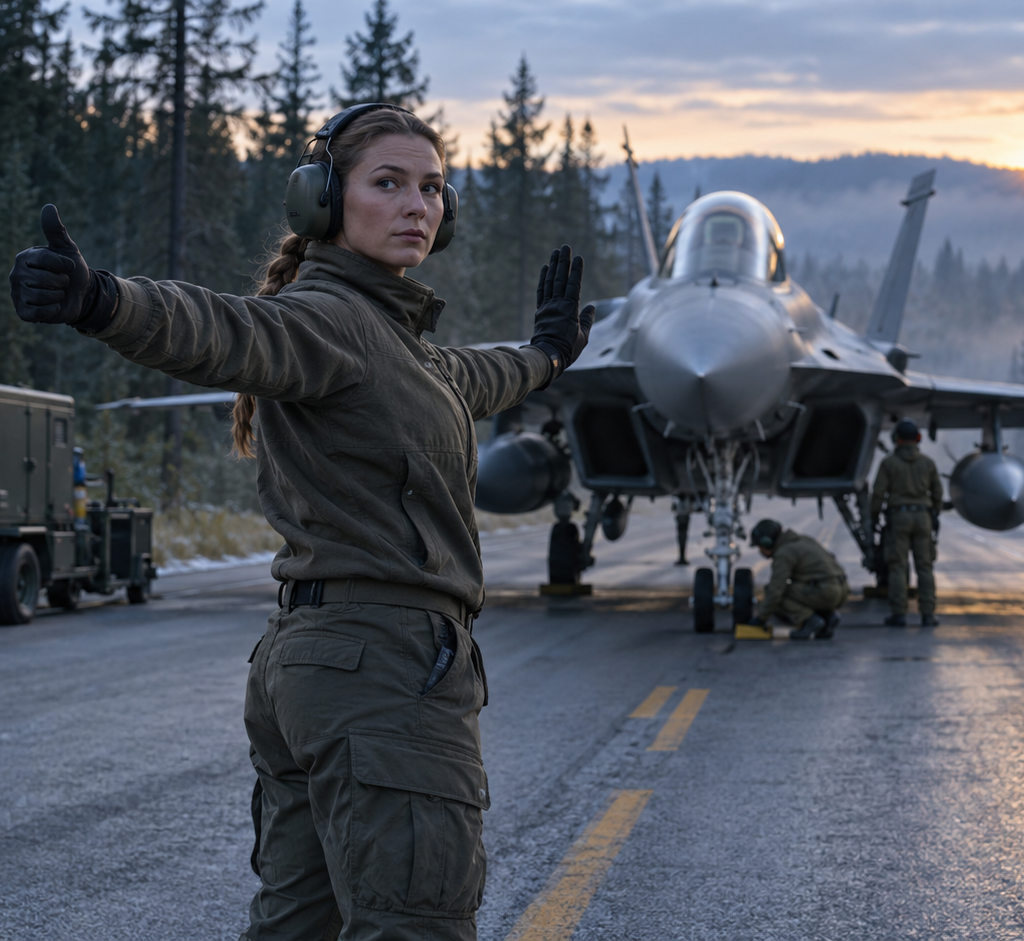
A fictional ground-crew chief directs an unmarked fighter aircraft and a small support team on a forest highway converted into a temporary airstrip at dawn.

The Runway Is No Longer the Base: How Dispersion Is Rewriting Airpower and Deterrence

The effectiveness of modern airpower relies on resilience rather than inventory numbers. Lessons from Ukraine, Finland, Taiwan, and the U.S. show that dispersed operations, rapid logistics, and mobile command structures are vital for strategic survival post-attack. A networked approach with multiple support layers is essential for sustained combat effectiveness.

The Runway Is No Longer the Base: How Dispersion Is Rewriting Airpower and Deterrence Read More »
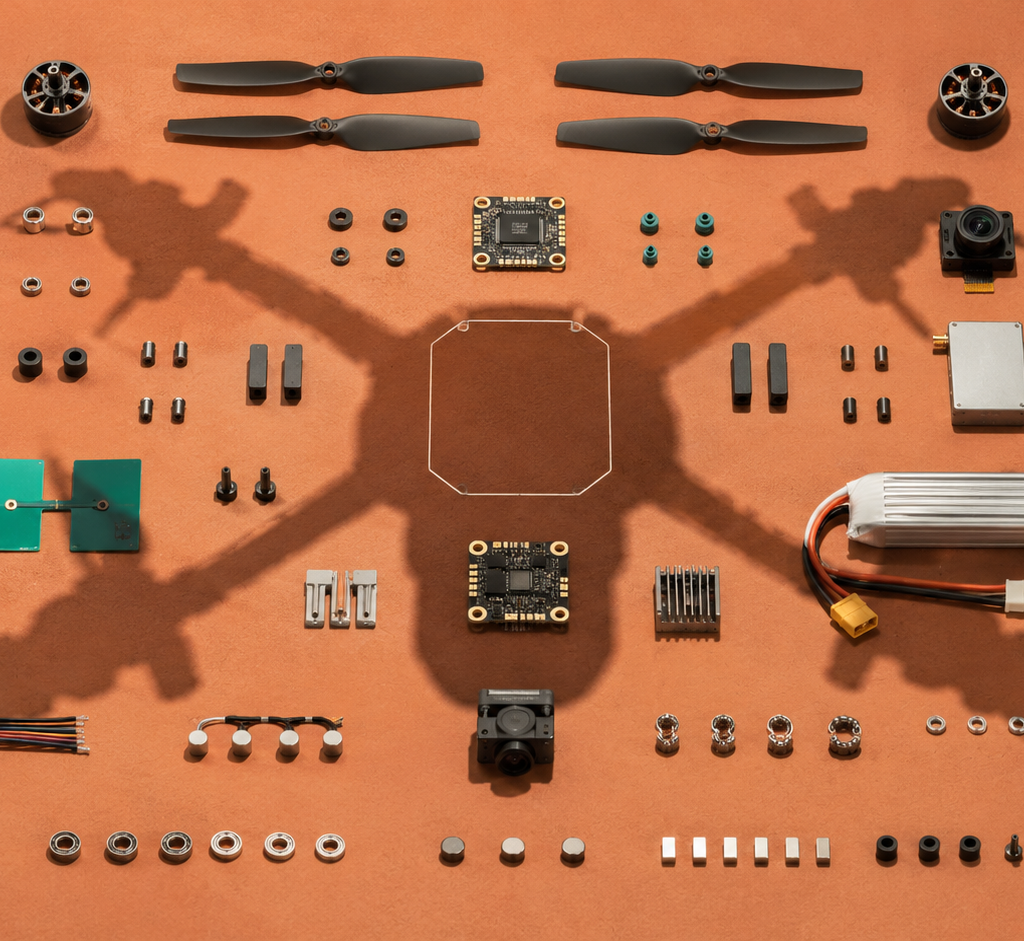
Drone motors, propellers, cameras, batteries, controllers, and connectors arranged around one missing central component beneath the shadow of a complete quadcopter.

The Cheap Drone Is a Supply-Chain Illusion: Who Controls the Age of Attritable Warfare?

Low-cost drones have transformed military economics but have not eliminated industrial power, which now lies in the complex supply chains behind components. Successful warfare requires “replenishment sovereignty,” enabling rapid replacement of lost drones. Ukraine, the U.S., Taiwan, and Iran illustrate varied strategies for managing dependency on critical inputs in attritable warfare.Drone supply-chain sovereignty is the ability to replace unmanned capability at wartime speed without unacceptable dependence on foreign-controlled components, software, materials, or production tools. It requires platform assembly, trusted component access, secure software and data paths, rapid substitution, and surge production.

The Cheap Drone Is a Supply-Chain Illusion: Who Controls the Age of Attritable Warfare? Read More »