organizational culture

A manager pulls an empty chair into a diverse team’s working circle as colleagues make room for another participant

The Cost of Looking Away: Why Respect for Difference Is Everyone’s Job

A diverse workforce relies not just on hiring policies but also on maintaining respect among employees. Disrespect can lead to severe consequences, such as high turnover, legal issues, and even suicidal ideation. Organizations must actively manage respect to prevent individual harm and reputational damage, ensuring shared responsibility in fostering a respectful work environment.

The Cost of Looking Away: Why Respect for Difference Is Everyone’s Job Read More »
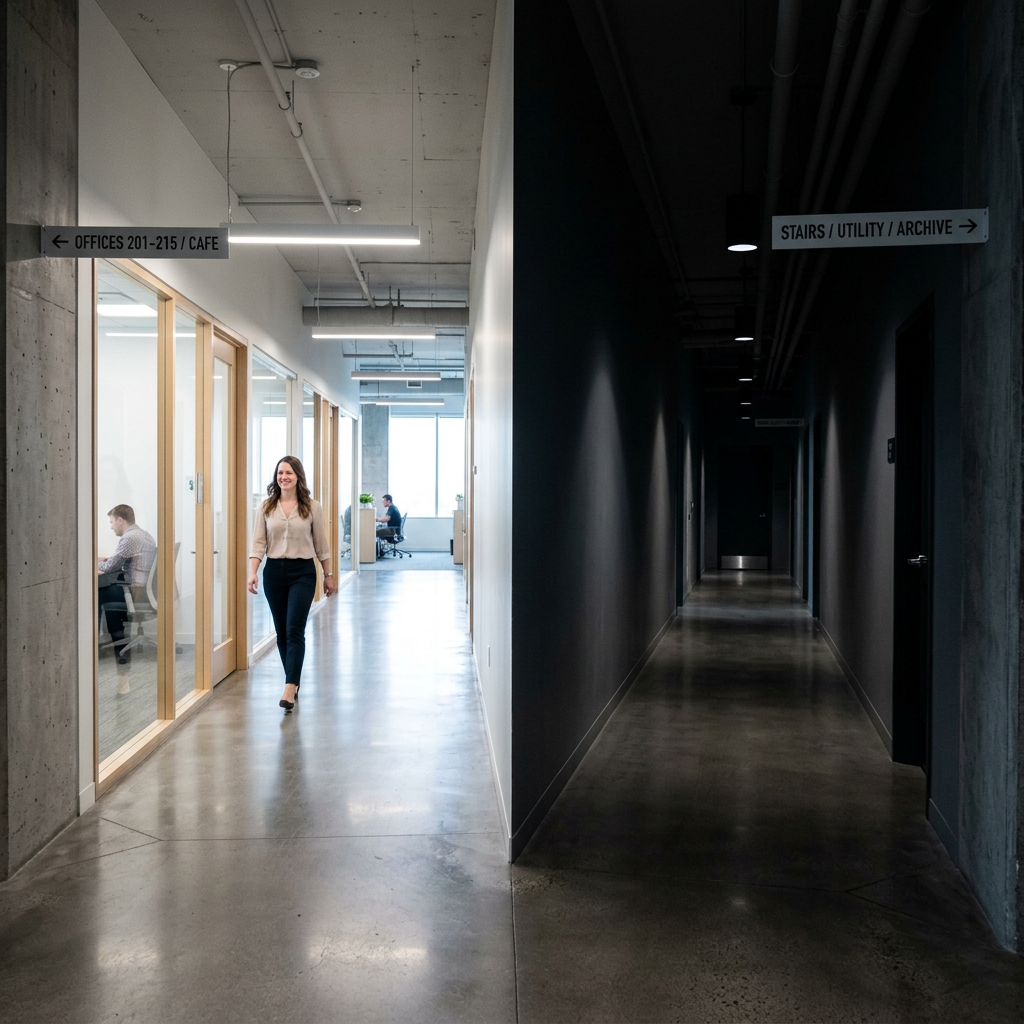
Bright office corridor with people working and a woman walking, next to a dark hallway for stairs and archive

Managing Implicit Bias for Lasting Inclusion

Organizations face challenges in turning diversity commitments into measurable outcomes, often due to design flaws rather than a lack of intent. Effective diversity strategies should apply analytical rigor, address implicit bias, and focus on advancement pathways. Evidence-based practices like authentic recruiting and structured mentoring can enhance inclusion, ultimately leading to improved organizational performance.

Managing Implicit Bias for Lasting Inclusion Read More »

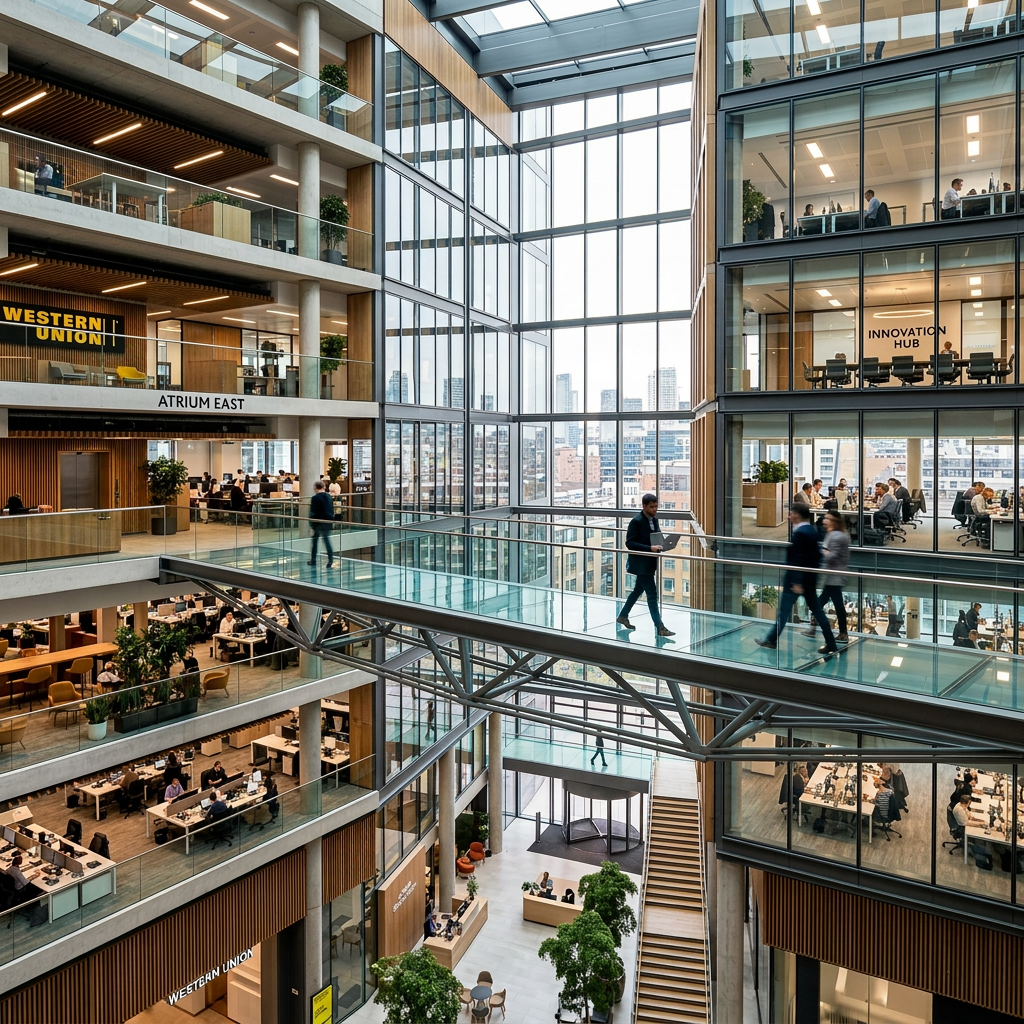
Interior of a modern office building with glass walls, multiple floors, a glass pedestrian bridge, and people working and walking

Diversity, Equity, and Inclusion at Work: From Good Intentions to Lasting Impact

Despite investments in diversity, equity, and inclusion (DEI) initiatives, meaningful progress often stalls due to structural misalignments. This article emphasizes that DEI must be embedded within organizational systems rather than treated as a peripheral program. Effective strategies require accountability, intersectional approaches, and active involvement at all organizational levels to drive real change.

Diversity, Equity, and Inclusion at Work: From Good Intentions to Lasting Impact Read More »