
By Frank Farnel | Responsible Public Affairs
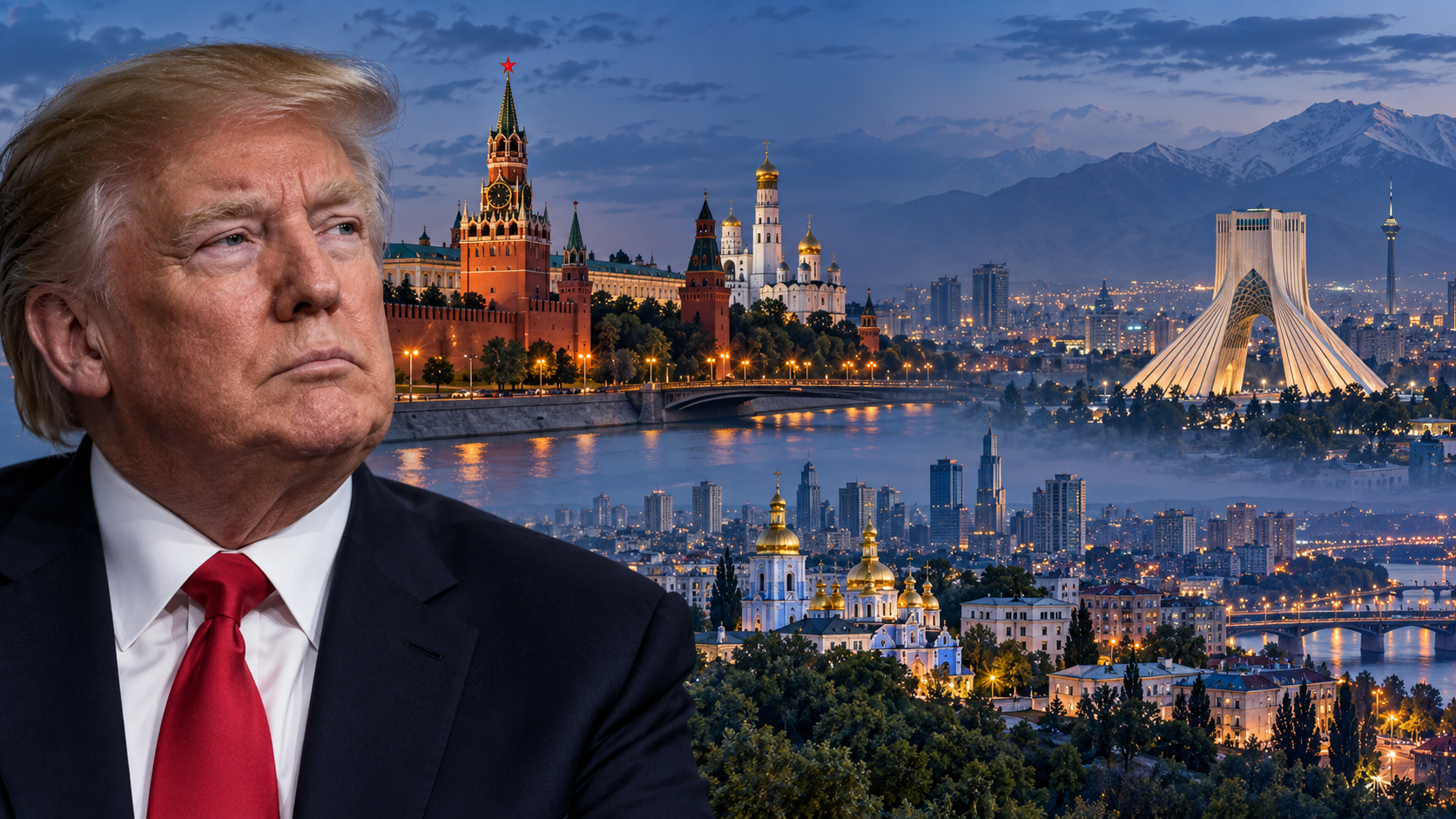
I was pleased to be interviewed by Sky News Arabia about Washington’s approach to Ukraine, its relationship with Moscow, and the possibility of linking U.S. support for Kyiv to Russian assistance to Iran.
Below is the complete English translation of the passages reporting my comments in the Arabic article.
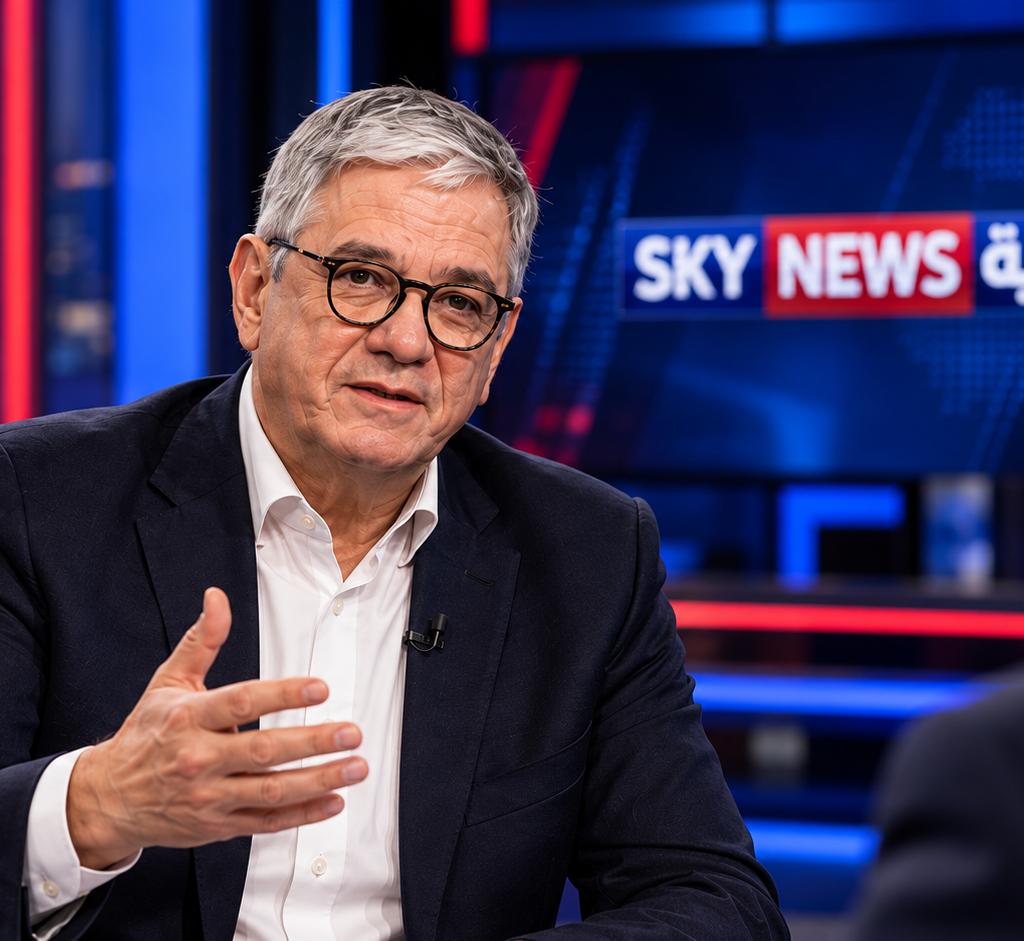
AI-generated illustration of Frank Farnel in an interview setting;
A limited understanding is more likely than a comprehensive deal
Speaking from Paris, French academic and international relations professor Frank Farnel told Sky News Arabia that Trump’s position reflects a broader shift in Washington’s approach to Moscow, with the U.S. president now viewing Russia within a wider negotiation encompassing Ukraine, energy prices, sanctions, and U.S. security interests.
Farnel added that the recent Russian diesel agreement and the waiver of new Russia-related sanctions suggest that Trump sees value in rebuilding a working relationship with Moscow, even if this deepens the rift with Kyiv. He argued that this approach puts Zelenskyy in a difficult position, because Ukraine needs dependable U.S. support, while Trump appears to treat the terms of that support as negotiable. He noted that the personal tensions between the two presidents reveal a deeper disagreement over what kind of peace would be acceptable and who should bear its cost.
On the possibility of Ukraine becoming a bargaining chip, Farnel said that this risk is real, while emphasizing that the issue remains the subject of disputed reports and does not constitute evidence that a trade-off agreement has been reached.

Intelligence cooperation and the challenge of verifying commitments.
Farnel explained that Washington might consider restrictions on intelligence or military assistance as negotiating tools, but that the potential consequences would be highly unequal for the two sides. He added:
“Verifying Russia’s compliance with a commitment to stop supplying Iran with intelligence could be difficult, and that commitment could easily be reversed, while cutting off U.S. assistance could immediately expose Ukrainian forces and civilians to greater danger.”
Regarding the prospects for an understanding based on reciprocal concessions, Farnel said that a limited, temporary arrangement is more likely than a comprehensive deal. He noted that both governments have incentives to explore such an arrangement: Washington might seek greater protection for its forces and partners, while Moscow might seek sanctions relief or restrictions on support for Ukraine.
Read the original article in Arabic: My interview with Sky News Arabia.
Discover more from Responsible Public Affairs
Subscribe to get the latest posts sent to your email.