
France’s old model in Africa is finished. That is no longer a provocative statement; it is a geopolitical fact. For decades, Paris relied on military deployments, security partnerships, and elite political networks shaped by the legacy of Françafrique to sustain its influence across the continent. In the Sahel, however, that model did not slowly erode. It collapsed in plain sight.
This analysis builds on arguments I recently shared in an interview with Sky News Arabia, where I examined France’s strategic repositioning in Africa, the erosion of its influence in the Sahel, and the broader consequences for Francophone Africa after France’s military retreat. That interview reinforced the central argument of this article: historical ties no longer confer legitimacy on their own. If France is to rebuild influence in Africa, it must do so through credible economic partnership, political realism, and a far sharper understanding of the continent’s changing balance of power.
As a French academic and professor of international relations, I do not see this as a temporary diplomatic setback. I see it as a structural turning point in France-Africa relations. The question is no longer whether France in Africa has lost ground. It has. The real question is whether French strategy in Africa can regain credibility through a model rooted in investment, innovation, soft power, and more equal partnerships.
That is why President Emmanuel Macron’s proposed €23 billion investment framework for Africa carries genuine geopolitical weight.1 This is more than an economic initiative. It is an attempt to redefine France’s place on a continent where demographics, markets, political expectations, and strategic competition are changing fast. Anyone working on Sahel geopolitics, Francophone Africa, or economic statecraft should be watching closely.
For related analysis, readers may also consult work on EU-Africa relations, Russia in the Sahel, China’s role in African infrastructure, and African sovereign development strategies.
France in Africa: Why the Sahel Crisis Ended an Era
The most immediate driver of France’s repositioning is the collapse of its standing in the Sahel. Mali, Burkina Faso, and Niger were once core pillars of France’s regional security architecture. Today, they stand as case studies in the erosion of French influence.
French forces have withdrawn or been expelled. Diplomatic ties have frayed. Military-led authorities in Mali, Burkina Faso, and Niger have openly challenged Paris, portraying France not as a stabilizing partner but as part of the problem.2 At the same time, anti-French sentiment has spread well beyond official circles and become embedded in public debate, especially among younger generations increasingly resistant to paternalistic forms of outside influence.
Paris learned too late a lesson that should have been clear much earlier: military presence without political legitimacy eventually becomes a liability. Security operations may deliver short-term tactical gains, but when they fail to generate trust, governance, and economic opportunity, public support fades. That is exactly what happened in the Sahel.
From both a policy and an SEO perspective, this is now the defining story of French strategy in Africa: France is moving away from military centrality and toward economic statecraft in Africa because the older model has lost both legitimacy and traction.
Francophone Africa After France’s Withdrawal: What Changed on the Ground?
To understand France’s new approach, we need to examine Francophone Africa after France’s withdrawal, especially in Mali, Burkina Faso, and Niger. The reality is harder, and more human, than the rhetoric of “post-French sovereignty” often suggests.
Mali: Sovereignty Without Stability
In Mali, the end of Operation Barkhane and the rupture with Paris gave the ruling authorities a powerful narrative of sovereignty.3 But the break with France did not produce stronger civilian institutions or a more inclusive political order. Insecurity persisted across parts of the north and center, exposing the gap between nationalist rhetoric and effective territorial control.
Mali also became a clear example of geopolitical substitution rather than strategic resolution. France lost influence, but instability did not disappear. New external actors entered the space, yet the security environment remained fragile. That should caution against any simplistic reading of France’s departure as a clean strategic reset.
Burkina Faso: Anti-French Rhetoric, Same Structural Pressures
In Burkina Faso, successive coups and the consolidation of military rule under Captain Ibrahim Traoré turned anti-French rhetoric into part of the regime’s political identity.4 But rhetoric did not restore state capacity or improve security for civilians. Armed groups continued to expand pressure across rural areas, while displacement deepened social strain and weakened local economies.
For anyone studying Sahel geopolitics, Burkina Faso offers a stark reminder: removing France from the equation does not, by itself, solve the underlying crisis of state fragility. It changes the political language, but not necessarily the lived reality on the ground.
Niger: Strategic Rupture, Limited Recovery
In Niger, the 2023 coup and the expulsion of French forces gave the junta a strong nationalist platform.5 Yet the deeper problems of governance remained unresolved. Border insecurity, financial pressure, and regional tensions continued to test the state’s resilience. Sanctions and diplomatic friction also placed heavy strain on the economy.
Niger matters not only because it symbolized the collapse of French power in the Sahel, but because it showed how quickly France-Africa relations can deteriorate when legitimacy, security, and regional diplomacy all weaken at once.
Beyond the Sahel: Wider Signals Across Francophone Africa
The erosion of French influence is not limited to Mali, Burkina Faso, and Niger. Across Francophone Africa, Paris still retains real assets, but its image has changed profoundly.
In Senegal, France remains culturally and diplomatically relevant, yet public debate has grown more critical, especially among younger voters who want greater strategic distance from former colonial powers.6 In Côte d’Ivoire, France remains a major economic partner, but the relationship is now judged increasingly in practical rather than historical terms. In Chad, France’s long-standing security role no longer guarantees public legitimacy. In Cameroon, official ties remain intact, but skepticism has deepened within parts of civil society. In the Central African Republic, France’s decline has been especially visible as Russia expanded its political and security footprint.7
The broader conclusion is clear: in Francophone Africa, France’s symbolic authority can no longer be assumed. It must be earned, country by country and society by society.
This matters for anyone writing about West Africa politics, postcolonial diplomacy, or French foreign policy. It also creates important links to wider research on public legitimacy, foreign military basing, democratic trust, and African public opinion.
France-Africa Relations Now Run Through Economic Statecraft
This is why Macron’s repositioning matters. France now understands that it cannot rebuild standing in Africa through nostalgia, security reflexes, or appeals to a shared past. It needs a different instrument of influence.
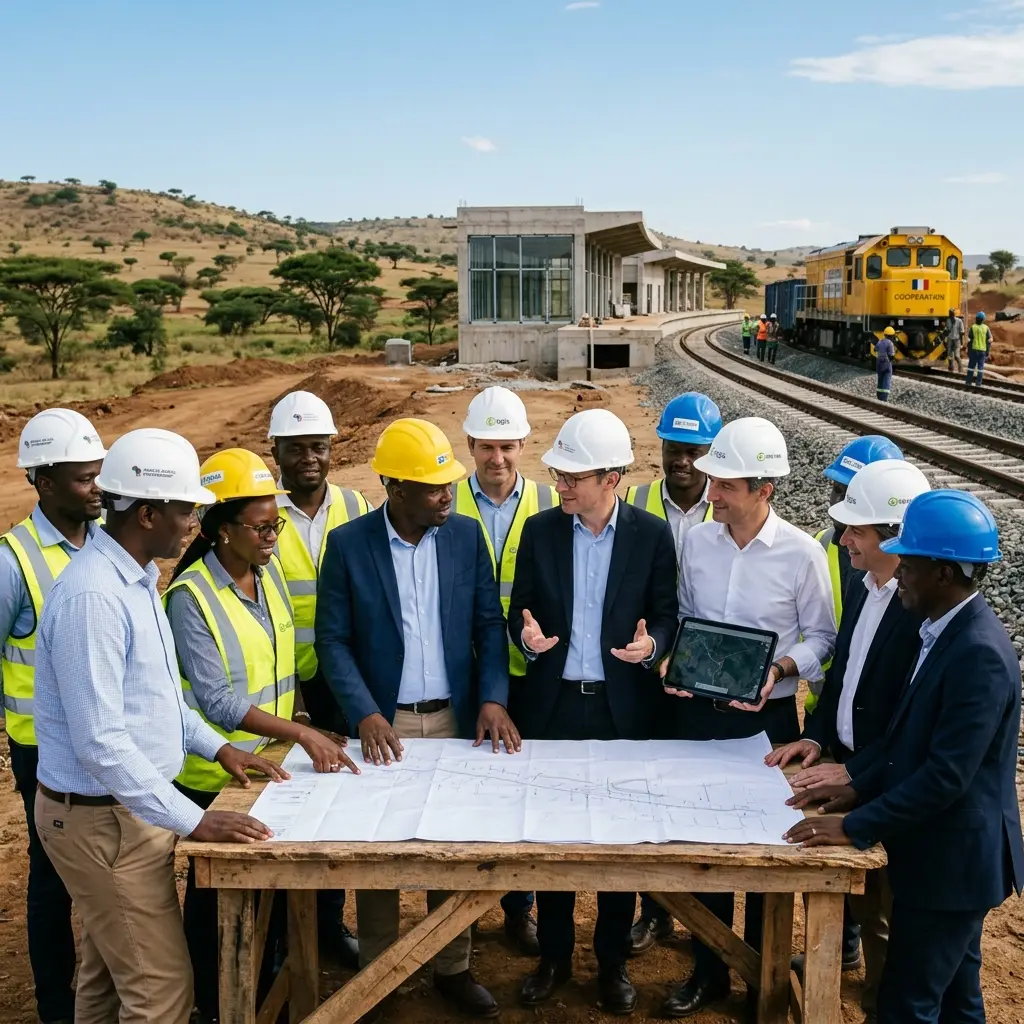
The €23 billion package announced for Africa, combining French and African partner financing, reflects that shift.1 It signals a move away from a model centered on military access and crisis management toward one built on infrastructure, private investment, energy partnerships, digital innovation, education, logistics, and industrial cooperation. In other words, France-Africa relations are increasingly being reframed through the logic of economic statecraft.
That shift is strategically rational. Across Africa, legitimacy now depends less on rhetoric and more on visible delivery. Governments and publics alike are asking practical questions: Who creates jobs? Who builds reliable infrastructure? Who transfers skills? Who finances energy transition without reproducing dependence? Who treats African states as partners rather than geopolitical dependents? Those questions do not eliminate security concerns, but they reorder the hierarchy of influence.
France’s challenge is therefore not only to spend more. It is to operate differently. If French policy remains overly centralized, overly symbolic, or overly state-to-state, it will struggle to compete with actors that move faster, deploy capital more flexibly, or tailor engagement more closely to local priorities. Economic statecraft succeeds only when it aligns finance, diplomacy, development tools, and commercial presence around credible long-term goals.8
A serious French strategy would likely need to focus on several sectors at once. Energy is one obvious pillar, especially electricity access, grids, renewables, and transition financing. Transport and logistics are another, given the central importance of ports, rail links, and regional trade corridors for African growth. Digital infrastructure also matters, not only because of connectivity, but because data governance, fintech, e-commerce, and digital public services are becoming central to state capacity and market competitiveness.9
Education and training are equally important. France still holds important assets in language, higher education, technical training, and research cooperation. But these must be modernized. Scholarships and cultural ties alone are no longer enough. The real opportunity lies in building partnerships that connect universities, startups, engineering schools, vocational institutes, and labor markets. That is where soft power can still produce strategic depth.
The same is true for health, agriculture, and urban infrastructure. Demographic growth across Africa is creating intense demand for food systems modernization, water access, transport planning, housing, public health delivery, and climate adaptation. These are not secondary development themes. They are central arenas of future political legitimacy. Any country that wants influence in Africa over the next two decades will need to show practical relevance in these sectors.10
Why Economic Statecraft Is Harder Than It Sounds
Yet the shift from military influence to economic statecraft should not be romanticized. It is harder than it sounds, and France faces structural constraints.
First, France no longer operates in an environment where historical familiarity gives it a natural advantage. Competition is intense. China has established a deep footprint in infrastructure finance and construction.11 Turkey has expanded its diplomatic and commercial networks. Gulf countries are investing in ports, agriculture, aviation, and strategic real estate. India is increasing its presence in pharmaceuticals, technology, and training. Russia, while economically weaker, has used security ties and anti-Western narratives to carve out influence in politically fragile settings.2
Second, France carries reputational baggage that economic offers alone cannot erase. In parts of Francophone Africa, French initiatives are still judged through the memory of hierarchy, intervention, and selective partnership. Even well-designed economic projects can be interpreted with suspicion if they appear extractive, opaque, or politically self-serving. Credibility therefore depends not just on what France funds, but on how it listens, negotiates, and shares ownership.
Third, implementation capacity matters. Announcing large figures is easier than disbursing funds effectively. If projects move slowly, remain concentrated in elite networks, or fail to generate visible local benefit, the strategy will lose force. Economic statecraft depends on execution. That means project management, regulatory coordination, local partnerships, risk-sharing, and a willingness to support African institutions rather than dominate them.
Fourth, France must reconcile geopolitical ambition with European coordination. Much of the capital, market access, regulatory leverage, and development finance that matter in Africa now run through broader EU-Africa relations rather than France alone.12 Paris can still lead, but it often needs to lead through European frameworks, joint financing mechanisms, and coalition-building. That reduces unilateral visibility but may increase strategic effectiveness.
What African Partners Are Likely to Expect
African governments are not passive recipients in this story. They are increasingly selective, transactional, and strategic in their external relationships. Many are diversifying partnerships by design. They want room to maneuver between Europe, China, the Gulf, Turkey, India, Russia, the United States, and one another. This is not simply hedging. It is a form of sovereign bargaining.
That means France cannot assume that a more respectful tone will be enough. African partners are likely to expect at least five things.
First, they will expect co-investment rather than donor-style paternalism. Projects framed as partnership are more credible when African institutions shape priorities, share governance, and retain agency over implementation.
Second, they will expect local value creation. That includes jobs, supply chains, training, technology transfer, and support for domestic firms rather than exclusive reliance on foreign contractors.
Third, they will expect financial realism. Many African states face debt constraints, currency volatility, and rising social demands. Attractive partnerships will therefore need flexible financing structures, blended capital, and attention to long-term fiscal sustainability.13
Fourth, they will expect political consistency. It is difficult for any outside partner to claim respect for sovereignty while appearing selective about democratic standards, succession politics, or governance crises. France’s credibility will depend in part on whether its political message is principled and predictable.
Fifth, they will expect symbolic equality. This may sound abstract, but it is not. Diplomatic language, media framing, summit formats, visa policy, student mobility, and cultural representation all shape whether a partnership feels genuinely post-hierarchical.
The Sahel Still Matters Even in an Economic Turn
None of this means that the Sahel disappears from the equation. On the contrary, the Sahel remains central because it is the region where France’s old model failed most visibly and where the limits of external influence are hardest to ignore.
Even if France shifts toward investment and soft power, insecurity across Mali, Burkina Faso, and Niger will continue to shape regional trade, migration, state capacity, and diplomatic alignment.345 Instability in the Sahel spills outward into coastal West Africa, affecting countries where France still retains stronger relations and larger economic interests.
This is why a credible French strategy cannot simply abandon security questions. It must instead reposition them. Security cooperation may still matter, but it can no longer be the organizing principle of the relationship. It has to be embedded within a broader framework that includes governance, resilience, regional economic integration, infrastructure, and public legitimacy. Without that wider frame, security policy will reproduce the same contradictions that damaged France’s position in the first place.
Soft Power, Language, and Influence After Françafrique
One area where France still retains meaningful leverage is soft power. The French language, university networks, media reach, research partnerships, and cultural institutions still give Paris tools that many competitors cannot easily replicate. But these assets only matter if they evolve.
For too long, French soft power in Africa has been treated as a static inheritance rather than a field requiring renewal. Yet younger African publics are digitally connected, politically vocal, and less deferential to old narratives. They want exchange, not tutelage. They respond to relevance, not symbolism alone.
That means the future of French influence will depend partly on whether France can modernize its cultural diplomacy. Student mobility, academic partnerships, startup ecosystems, joint research, creative industries, and digital media engagement may matter as much as formal state visits. If France wants to remain present in African political imagination, it must be visible not only in embassies and boardrooms, but also in universities, innovation hubs, media platforms, and urban cultural life.
This is especially important in Francophone Africa, where language remains an asset but no longer guarantees affinity. French is still a shared medium, but it is now embedded in multilingual, competitive, and politically contested spaces. Influence must therefore be earned through openness and relevance rather than assumed through linguistic continuity.
Can France Actually Rebuild Its Position?
The answer is yes, but only under stricter conditions than in the past.
France can still be an important actor in Africa. It has capital, institutions, diplomatic reach, commercial presence, educational depth, and historical familiarity with key regions. It also has the advantage of geographic proximity and a direct interest in the stability and prosperity of African markets. But none of these strengths automatically convert into legitimacy.
To rebuild its position, France will need to accept three realities.
First, Africa is not a single arena. Policy must be differentiated. What works in Côte d’Ivoire may fail in Mali. What matters in Senegal may not matter in Chad. A credible strategy must be country-specific and regionally aware.
Second, legitimacy cannot be inherited. It must be produced through conduct, delivery, and reciprocity. Historical ties may open doors, but they no longer sustain authority.
Third, competition is permanent. France is not returning to an earlier era of privileged influence. It is entering a more plural strategic environment in which success depends on value added, not legacy.
If Paris internalizes these realities, its strategic transition may still succeed. If it does not, the shift to economic statecraft will remain rhetorical, and France’s decline in Africa will continue under a new vocabulary.
Conclusion: From Presence to Credibility
The deeper story here is not simply that France has lost influence in the Sahel. It is that the foundations of influence in Africa have changed.
Military reach, elite access, and historical memory are no longer enough. Public legitimacy, economic relevance, institutional respect, and visible partnership now matter more. That is why the Sahel marked not just a regional setback for Paris, but the end of an era in France-Africa relations.
The move toward economic statecraft in Africa is therefore not optional. It is the only plausible strategic path left. But it will succeed only if France understands what the Sahel revealed: influence without legitimacy is fragile, and partnership without equality is unsustainable.
France can still matter in Africa. But from now on, it will matter less because of where it has been and more because of what it can credibly build with African partners next.
References and Footnotes
[1] The Africa Report, reporting and analysis on France’s proposed Africa investment framework and the evolving shape of French economic policy on the continent. Available at: https://www.theafricareport.com/
[2] Center for Strategic and International Studies (CSIS), analysis of Russia’s growing footprint in the Sahel and the changing regional balance after French military retrenchment. Available at: https://www.csis.org/analysis/russias-growing-footprint-africas-sahel-region
[3] International Crisis Group, reporting and analysis on Mali, including insecurity, governance, and the consequences of France’s withdrawal. Available at: https://www.crisisgroup.org/africa/sahel/mali
[4] International Crisis Group, reporting and analysis on Burkina Faso, including military rule, armed violence, and state fragility. Available at: https://www.crisisgroup.org/africa/sahel/burkina-faso
[5] International Crisis Group, reporting and analysis on Niger, including the 2023 coup, sanctions, and regional instability. Available at: https://www.crisisgroup.org/africa/sahel/niger
[6] Afrobarometer, public opinion data across African countries, including attitudes toward governance, democracy, and foreign influence. Available at: https://www.afrobarometer.org/
[7] International Crisis Group, analysis of the Central African Republic and the expansion of Russian political and security influence. Available at: https://www.crisisgroup.org/africa/central-africa/central-african-republic
[8] Organisation for Economic Co-operation and Development (OECD), development cooperation and policy resources relevant to economic statecraft, investment frameworks, and partnership models. Available at: https://www.oecd.org/development/
[9] World Bank, Africa regional development resources covering infrastructure, digital transformation, energy, and public sector capacity. Available at: https://www.worldbank.org/en/region/afr
[10] United Nations Economic Commission for Africa (UNECA), research and policy analysis on African development strategies, structural transformation, and regional integration. Available at: https://www.uneca.org/
[11] China-Africa Research Initiative (CARI), Johns Hopkins SAIS, data and analysis on China’s economic role in Africa, especially infrastructure finance and lending patterns. Available at: https://www.sais-cari.org/
[12] Council of the European Union, policy materials on EU-Africa relations, strategic frameworks, and partnership priorities. Available at: https://www.consilium.europa.eu/en/policies/eu-africa/
[13] International Monetary Fund (IMF), regional economic outlooks and fiscal analysis relevant to African debt, financing conditions, and macroeconomic resilience. Available at: https://www.imf.org/en/Regions/Africa
تحول فرنسي.. “عهد جديد” مع أفريقيا عبر الاستثما
وتتضمن الحزمة 14 مليار يورو من التمويل الفرنسي و9 مليارات يورو من الشركاء الأفارقة مع تركيز واضح على قطاعات استراتيجية تشمل الذكاء الاصطناعي والزراعة والطاقة الجديدة في الوقت الذي اعتبر ماكرون هذه المبادرة بأنها تمثل “انتقالًا من المساعدات إلى الاستثمار المشترك” في إشارة إلى سعي بلاده لإعادة تعريف علاقتها بالقارة على أساس الشراكة المتوازنة بدلًا من نموذج المساعدات الذي اعتادت عليه لعقود.
غير أن محللين ومراقبين اعتبروا في حديثهم لموقع “سكاي نيوز عربية” قمة “إفريقيا نحو الأمام” بأنها تمثل تحولًا براغماتيًا في السياسة الفرنسية تجاه إفريقيا، بعد انسحابات عسكرية ودبلوماسية متتالية من دول الساحل مثل مالي وبوركينا فاسو والنيجر حيث واجهت باريس قطيعة مع الحكومات الانتقالية وتصاعدًا ملحوظًا في المشاعر المناهضة للنفوذ الفرنسي التقليدي.
ويرى المراقبون أن هذا التحول يأتي في إطار إعادة تموضع أوسع لفرنسا تقوم على تعويض خسائرها في الفضاء الفرانكفوني عبر التوجه نحو الدول الناطقة بالإنجليزية والبرتغالية خصوصًا في شرق إفريقيا.
رؤية ماكرون لأفريقيا
عند النظر إلى منطقة الساحل تحديدًا تتجه فرنسا إلى ما يمكن وصفه باستراتيجية “العودة عبر الشعوب” بعد القطيعة مع الحكومات العسكرية القائمة إذ تعتمد مقاربتها على الاستثمار المباشر في المجتمعات المحلية خصوصًا فئة الشباب عبر مشاريع تنموية في مجالات الطاقة والزراعة والتكنولوجيا إلى جانب التعاون مع منظمات غير حكومية وشركات خاصة بهدف إعادة بناء الثقة تدريجيًا خارج الأطر الرسمية التقليدية.
وقدرت فرنسا أن هذه الاستثمارات من شأنها خلق أكثر من 250 ألف فرصة عمل مباشرة في كل من فرنسا وإفريقيا بما يعزز الروابط الاقتصادية والاجتماعية بين فرنسا والمجتمعات الإفريقية بدل الاعتماد على العلاقات الحكومية المباشرة.
واعتبر ماكرون في مقابلة مع مجلة “ذا أفريكا ريبورت” أنه منذ عام 2017 لم يقم أي رئيس فرنسي آخر بما فعله هو من حيث “قول الحقائق والاعتراف بها وتهدئة التوترات” رافضًا في الوقت ذاته اختزال أزمات القارة في الإرث الاستعماري فقط.
يراهن ماكرون على أن فرنسا “لا يمكنها تهدئة أزماتها المرتبطة بالهجرة والهوية دون تغيير صورتها الذهنية عن إفريقيا من كونها تهديدًا أو عبئًا إلى كونها فضاء للموهبة والإبداع ورأس المال والمصير المشترك”.
وماكرون هو أول رئيس فرنسي وُلد بعد انسحاب فرنسا من معظم مستعمراتها الإفريقية في عام 1960، مؤكدًا أنه رغم السنوات الصعبة، لا يزال تفاؤله قائمًا على منطق واضح: “مصيرنا يمر عبر نجاح إفريقيا” وأن بلاده “ليست مفترسي هذا القرن ربما كان الأوروبيون كذلك يومًا ما لكنهم لم يعودوا كذلك الآن”.
وفيما يتعلق بالتدخلات العسكرية شدد ماكرون على أنه “لا يمكن أن تكون إفريقيا ساحة لنفوذ عسكري لطرف أو لآخر أو لحروب بالوكالة هذا ما عشنا آثاره بدرجة ما في الساحل”.
من باريس، اعتبر الأكاديمي الفرنسي وأستاذ العلاقات الدولية فرانك فارنيل، في حديث خاص لموقع “سكاي نيوز عربية” أن قمة “إفريقيا نحو الأمام” تعد مؤشرًا واضحًا على تطور الاستراتيجية الفرنسية في أفريقيا حيث تعطي أولوية للتعاون الاقتصادي والقوة الناعمة بدلًا من الأطر الأمنية والعسكرية التي هيمنت تاريخيًا على العلاقة بين الطرفين.
وأوضح فارنيل أنه “على مدى عقود، ارتبط الوجود الفرنسي في أفريقيا وخاصة في منطقة الساحل بانتشار عسكري واسع وعمليات لمكافحة الإرهاب كانت تشكل جوهر نفوذ باريس غير أن هذا النهج واجه رفضًا متزايدًا، إذ قامت حكومات عسكرية في مالي وبوركينا فاسو والنيجر بطرد القوات الفرنسية والتوجه نحو شركاء بديلين مثل روسيا”.
بيد أن فرنسا بدأت تحولًا عن هذا المسار سعيًا إلى إعادة تعريف دورها وتموضعها في القارة، من خلال التركيز على الابتكار والاستثمار والنمو المشترك وفق الأكاديمي الفرنسي الذي قال إن تشديد ماكرون على مفهوم “الشراكات المتكافئة” يعكس إدراكا بأن الجيل الأفريقي الشاب لم يعد يقبل بعلاقات قائمة على هياكل هرمية ذات جذور استعمارية.
وأضاف: “لا يقتصر هذا التحول على كونه رد فعل على إخفاقات الماضي، بل يعكس أيضًا إدراكًا لأهمية أفريقيا المتزايدة جيوسياسيا مع ما تمتلكه من قوة سكانية شابة واقتصادات ديناميكية تجعلها لاعبًا رئيسيًا في النظام الدولي ومن هنا فإن النهج الفرنسي الجديد القائم على الاقتصاد والقوة الناعمة هو محاولة للتكيف مع هذه التحولات وضمان البقاء ضمن معادلة التأثير العالمي”.
وبيّن فارنيل أن “التحول الفرنسي نحو أفريقيا الناطقة بالإنجليزية يرتبط ارتباطًا وثيقًا بتراجع نفوذها التاريخي في الدول الفرنكوفونية إذ كشف طرد القوات الفرنسية من دول الساحل إلى جانب تصاعد المشاعر المعادية لفرنسا عن هشاشة النفوذ التقليدي لباريس في منطقة لطالما اعتُبرت مجالها الحيوي”.
وشهدت السنوات الأخيرة تراجعًا حادًا في الحضور العسكري الفرنسي في دول منطقة الساحل، عقب موجة من التغييرات السياسية التي شهدتها مالي وبوركينا فاسو والنيجر بين عامي 2020 و2023، والتي انتهت إلى إنهاء التعاون العسكري مع باريس في تلك الدول.
وفي رأي الأكاديمي الفرنسي، فإن “الأنجلوفونية” تمثل فرصة لإعادة التموضع إذ أن دول مثل كينيا ونيجيريا التي لا تحمل نفس الإرث الاستعماري المباشر مع فرنسا وتوفر أرضية لشراكات جديدة تقوم على المصالح الاقتصادية المتبادلة بدلًا من العلاقات التاريخية.
خط فرنسا لـ”إعادة التموضع” الأفريقي
وعن خطة فرنسا لإعادة تموضعها أفريقيا، يرى فارنيل أن “الاعتبارات الاقتصادية تلعب دورًا محوريًا إذ تُعد دول مثل نيجيريا وجنوب أفريقيا من أكبر الشركاء التجاريين لفرنسا في القارة وتمثل أسواقًا واعدة وفرصًا استثمارية كبيرة، ومن خلال تعزيز حضورها في هذه الدول تسعى باريس إلى تعويض خسائرها في أفريقيا الفرنكوفونية وفي الوقت نفسه تعزيز موقعها داخل الاقتصاد الأفريقي المتنامي”.
كما توظف فرنسا أدوات القوة الناعمة لإعادة بناء صورتها من خلال مبادرات مثل إعادة القطع الأثرية الأفريقية ودعم الصناعات الإبداعية، في محاولة لمعالجة إرث تاريخي مثقل وإظهار احترام للثقافات الأفريقية والانخراط معها على أسس أكثر توازنًا كما ذكر الأكاديمي الفرنسي الذي أشار إلى تقليص الحضور العسكري لبلاده عبر قدمت انسحاباتها باعتبارها استجابة لخيارات الدول المضيفة في محاولة لمعالجة أحد أبرز مصادر التوتر السابقة.
نفوذ فرنسي جديد
من العاصمة نيامي قال الباحث في العلوم السياسية إبراهيم جيرو إن التساؤل حول قدرة فرنسا على استخدام بوابة شرق إفريقيا لبناء نفوذ جديد يمتد لاحقًا نحو منطقة الساحل، يظل مطروحًا بقوة، في ظل ما تشهده العلاقات الفرنسية-الإفريقية من اضطراب عميق بعد القطيعة مع عدد من دول الساحل.
وأوضح جيرو في تصريحات لـ”سكاي نيوز عربية” أن المشهد الحالي لا يمكن قراءته باعتباره قطيعة نهائية أو مكتملة بين باريس ودول الساحل مشيرًا إلى أن “الأمر لا يزال في حالة سيولة سياسية، واحتمالات التعاون لم تُغلق بالكامل رغم التحولات الحادة التي شهدتها السنوات الأخيرة”.
وأضاف أن “فرنسا وإن كانت قد فقدت جزءًا مهمًا من نفوذها التقليدي فإنها لا تزال قادرة على طرح نماذج تعاون جديدة تقوم على الاستثمار والشراكات الاقتصادية بدلًا من الأطر التقليدية القائمة على المساعدات أو النفوذ السياسي المباشر” معتبرًا أن قبول هذه النماذج من جانب دول الساحل يظل احتمالًا قائمًا وإن كان غير مضمون.
وفي ما يتعلق بالتوجه الفرنسي نحو شرق إفريقيا، اعتبر الباحث في العلوم السياسية أن مشاركة باريس في قمة “أفريقيا للأمام” تمثل مؤشرًا على استمرار الحضور الفرنسي الفاعل في القارة، بل ورسالة سياسية تفيد بأن فرنسا لم تغادر المشهد الإفريقي رغم التحديات في غرب القارة والساحل تحديدًا.
وأشار إلى أن “هذا التوجه نحو الشرق لا يعني التخلي عن غرب إفريقيا حيث لا تزال لفرنسا علاقات قائمة ومتشعبة مع عدد من الدول مثل بنين وساحل العاج وغانا ونيجيريا والسنغال، لكن باريس تعمل على إعادة تشكيل أدوات حضورها لا إنهائه”.
أما الباحث المتخصص في الشؤون الإفريقية جبرين عيسى، فقال لـ”سكاي نيوز عربية”، إن التحول الفرنسي نحو أفريقيا الأنجلوفونية يفهم في سياق إدراك باريس المتزايد بأن الدول الفرانكفونية لم تعد ترحب بالوجود الفرنسي خصوصًا العسكري والأمني وهو ما دفعها إلى محاولة إعادة تموضعها عبر الدخول من الأطراف بدلًا من الاعتماد على مركز نفوذها التقليدي.
وأوضح أن هذا التوجه بدأ يتبلور عمليًا عبر نيجيريا باعتبارها أولى نقاط الارتكاز الفرنسية في غرب إفريقيا الناطقة بالإنجليزية حيث شهدت السنوات الأخيرة توسعًا ملحوظًا في التعاون الاقتصادي بين الجانبين شمل اتفاقيات في القطاع المالي والضريبي خلال ديسمبر الماضي، من بينها رقمنة النظام الضريبي في نيجيريا، إلى جانب استثمارات فرنسية في قطاع السياحة وتوقيع اتفاقيات في مجالات التعدين والطاقة في يناير من العام الماضي، فضلًا عن شراكات في الطاقة المتجددة مع شركات فرنسية أخرى.
لكن هذا المسار لا يُعد وليد اللحظة، بل يمكن اعتباره بداية تحول استراتيجي بدأ قبل نحو عامين من نيجيريا رغم أن العلاقات التاريخية بين البلدين لم تكن دائمًا مستقرة حسبما ذكر “عيسى” الذي شدد على أن المزاج العام الإفريقي لم يعد مستعدًا لقبول الوجود الفرنسي بالشكل القديم إلا إذا قدمت باريس ما يطالب به الشارع الإفريقي وفي مقدمته الاعتراف بالماضي الاستعماري وتقديم مقاربة مختلفة تقوم على الدعم التنموي الحقيقي.
وأكد الباحث المتخصص في الشؤون الأفريقية أن استعادة أي حضور فرنسي فاعل تتطلب إعادة بناء الصورة الذهنية لفرنسا في إفريقيا وليس الاكتفاء بالحضور الدبلوماسي أو المشاركة في المؤتمرات.
#FrenchAfricaPartnership, #InfrastructureDevelopment, #EconomicCollaboration, #RailwayConstruction, #ModernInfrastructure, #GlobalPartnership, #EconomicProgress, #EngineeringInnovation, #SustainableDevelopment, #AfricaGrowth, #FrenchAfricaRelations, #InfrastructureProjects, #EconomicStatecraft, #CollaborativeEngineering, #FutureOfAfrica, #GlobalInfrastructure, #EconomicResilience, #PartnershipForProgress, #DevelopmentInAfrica, #FranceInAfrica, #EconomicTransformation, #AfricaInfrastructure, #InternationalDevelopment, #EngineeringExcellence, #StrategicPartnerships, #AfricaEconomicFuture, #FranceAfricaStrategy, #InfrastructureInnovation, #GlobalEconomicCollaboration, #SustainableInfrastructure
@WorldBank, @IMFNews, @UNDP, @AfricanUnion, @ECA_OFFICIAL, @OECD, @WorldEconomicForum, @BrookingsInst, @ChathamHouse, @CarnegieEndow, @AtlanticCouncil, @CSISAfrica, @Harvard, @Yale, @Oxford, @Cambridge_Uni, @SciencesPo, @FT, @TheEconomist, @Reuters, @BBCWorld, @CNNAfrica, @AlJazeera, @NYTimes, @WSJ, @ForeignAffairs, @Africa_Conf, @PolicyCenter, @ECDPM, @IFRI_, @CFR_org, @RANDCorporation, @WilsonCenter, @AfricaCheck, @AfDB_Group, @EU_Commission, @StateDept, @USAID, @GlobalPartnership, @UNESCO, @WorldResourcesInst, @CGDev, @AfricaResearch, @AfricanBusinessMag, @TheAfricaReport, @QuartzAfrica, @AllAfrica, @AfricaRenewal, @AfricanArguments, @AfricaCenter, @SAIIA_info, @ISSafrica, @WitsUniversity, @UCT_news, @Makerere, @AddisAbabaUni, @LSEnews, @KingsCollegeLon, @Georgetown, @Columbia, @Stanford, @MIT, @Princeton, @UChicago, @Berkeley, @McGillU, @Toronto, @UBC, @SciencesPo, @HECParis, @INSEAD, @IEBusiness, @FTAfrica, @GuardianAfrica, @LeMonde_Afrique, @Jeune_Afrique, @France24_en, @DW_Africa, @VOAAfrica, @AP_Africa, @BloombergAfrica, @Devex, @AfricaBizMag, @AfricanDevBank, @NEPAD_Agency, @AUDA_NEPAD, @TradeLawCentre, @TRALAC, @ICTSD, @UNCTAD, @skynewsarabia, @LCI, @sudradio, @europe1, @AfricanArguments, @AfricaCenter, @SAIIA_info, @ISSafrica, @WitsUniversity, @UCT_news, @Makerere, @AddisAbabaUni, @LSEnews, @KingsCollegeLon, @Georgetown, @Columbia, @Stanford, @MIT, @Princeton, @UChicago, @Berkeley, @McGillU, @Toronto, @UBC, @HECParis, @INSEAD, @IEBusiness, @FTAfrica, @GuardianAfrica, @LeMonde_Afrique, @Jeune_Afrique, @France24_en, @DW_Africa, @VOAAfrica, @AP_Africa, @BloombergAfrica, @Devex, @AfricaBizMag, @AfricanDevBank, @NEPAD_Agency, @AUDA_NEPAD, @TradeLawCentre, @TRALAC, @UNCTAD, @WorldTradeOrg, @AfricaInfrastructure, @EngineeringNews, @RailwayGazette, @TransportAfrica, @Energy4Africa, @PowerAfrica, @SustainableAfrica, @EcoAfrica
Discover more from Responsible Public Affairs
Subscribe to get the latest posts sent to your email.