Maritime Security

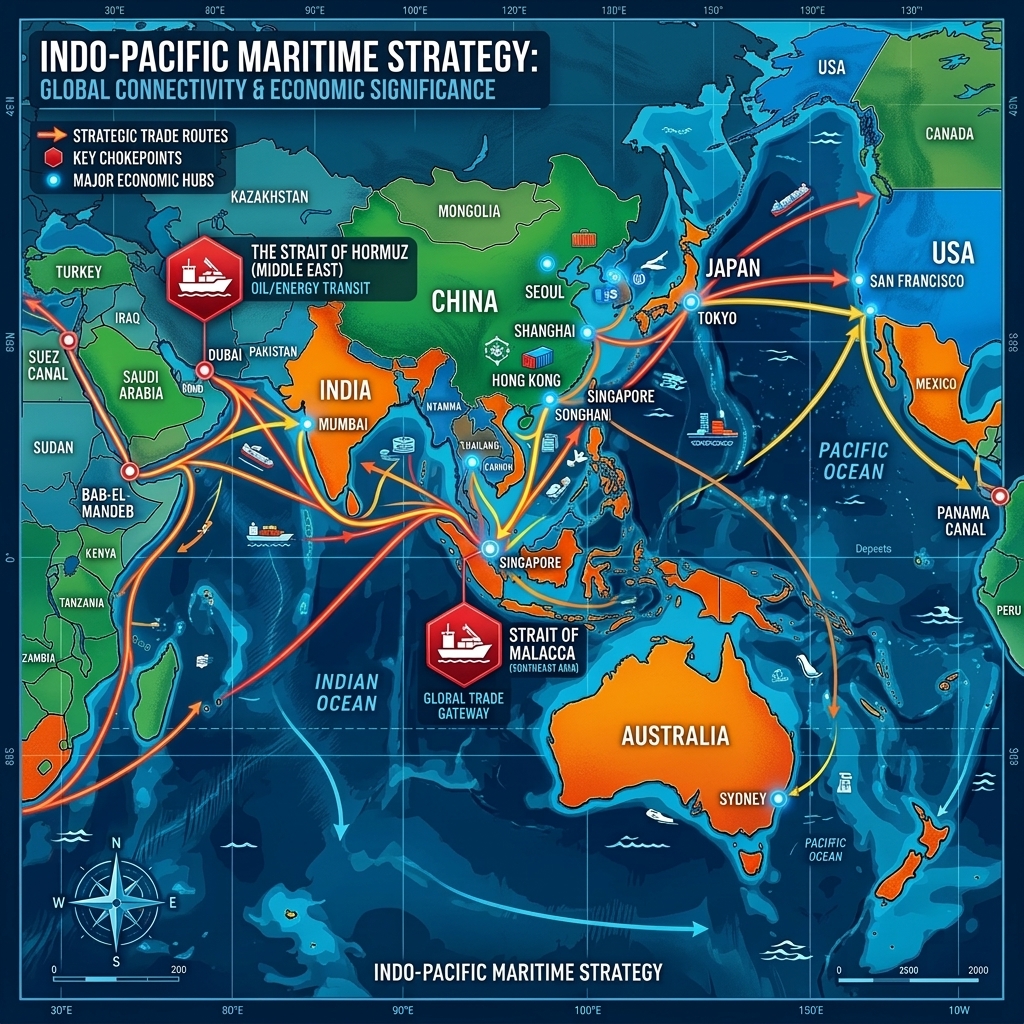
High-contrast infographic map illustrating the Indo-Pacific maritime strategy, highlighting global trade routes, key economic hubs, and critical maritime chokepoints for international commerce

Asia’s Sea Lanes Under Pressure: The Strategic Warning From Hormuz

Meta Title: Indo-Pacific Maritime Security Strategy: Hormuz Warning, Malacca Trade Risks, Taiwan Strait Economic Impact & Supply Chain Resilience Meta Description: Explore how the Strait of Hormuz crisis is reshaping Indo-Pacific maritime security strategy, from Strait of Malacca trade risks to Taiwan Strait economic impact, supply chain resilience, semiconductor exposure, and the growing threat of […]

Asia’s Sea Lanes Under Pressure: The Strategic Warning From Hormuz Read More »
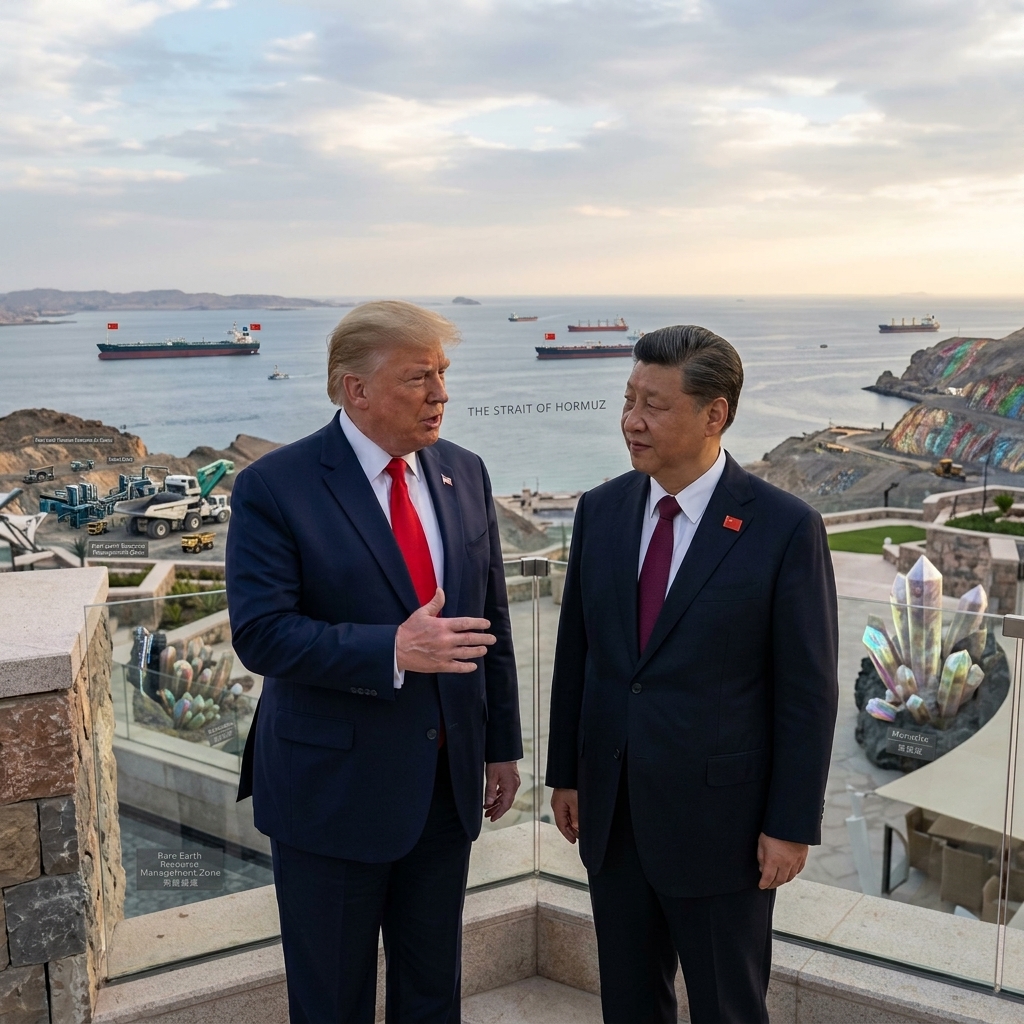
A high-resolution image depicting a diplomatic meeting between Donald Trump and Xi Jinping, set against the backdrop of the Strait of Hormuz. The scene features oil tankers navigating the strait and visual elements representing rare earth minerals, such as crystalline structures and mining equipment. The composition highlights the geopolitical significance of energy and critical resources, with sharp and vivid details emphasizing the professional and symbolic atmosphere

Trump-Xi 2026 Summit: Trade, Taiwan, and the Oil Shock

Meta description: A sharp analysis of the Trump-Xi 2026 Summit, US-China trade relations, Taiwan risk, and the Strait of Hormuz oil crisis—plus why global energy security could shape the entire meeting. Key takeaway: A Trump-Xi 2026 Summit would likely focus on US-China trade relations, technology restrictions, and Taiwan, but a Strait of Hormuz oil crisis

Trump-Xi 2026 Summit: Trade, Taiwan, and the Oil Shock Read More »

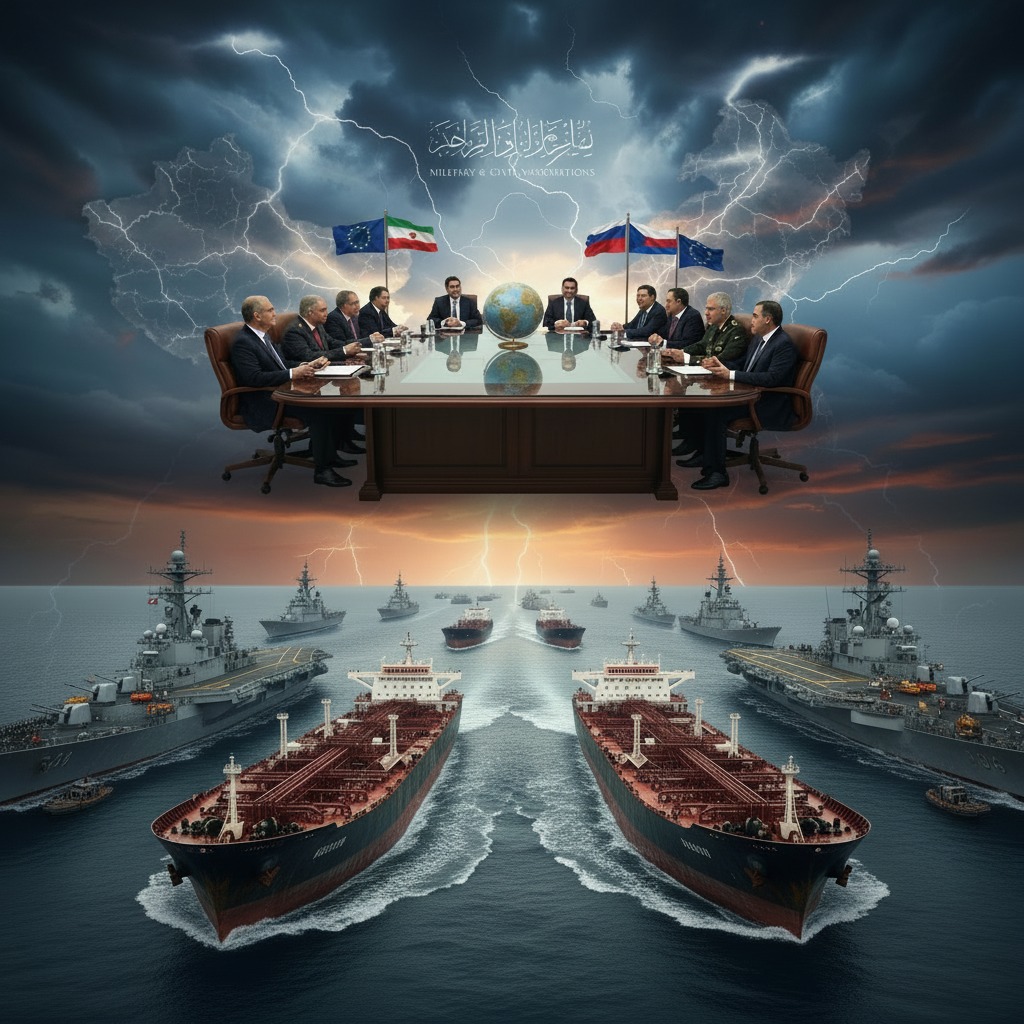
A dramatic composite image depicting high-stakes geopolitical discussions under a stormy sky, juxtaposed with a powerful naval fleet and oil tankers at sea, symbolizing global power dynamics and strategic tensions. Shadows of China and Russia loom in the background, representing their readiness to intervene with Iran

Negotiating Power and Leverage: Lessons from the Strait of Hormuz Stalemate

“Beyond the BATNA: Redefining Leverage in the Strait of Hormuz Stalemate”

This section explores how negotiators can redefine leverage even in seemingly powerless situations. It highlights strategies like cultivating partial alternatives, analyzing the counterparty’s hidden vulnerabilities, and reframing threats as warnings. For example, the text discusses how the U.S. could mitigate reliance on the Strait of Hormuz by developing alternative pipelines and renewable energy sources, thereby reducing Iran’s leverage. It also emphasizes the importance of mutual vulnerabilities, such as Iran’s dependence on the Strait for economic survival, and the use of tacit consent to create temporary solutions without formal agreements.

This approach demonstrates how creative negotiation tactics can shift power dynamics and achieve stability in high-stakes geopolitical conflicts.

Negotiating Power and Leverage: Lessons from the Strait of Hormuz Stalemate Read More »