NATO

Drone flying over industrial storage tanks under a colorful sunset sky

The Shift from Deterrence to Defense: Lessons Learned

This essay analyzes the selective failure of nuclear deterrence observed in the conflicts of 2025 and 2026, highlighting cases in Ukraine, Israel, South Asia, and Iran. It advocates for a shift from deterrence by threat to deterrence by denial, emphasizing resilience and defense while warning against the impulse for nuclear proliferation among anxious allies.

The Shift from Deterrence to Defense: Lessons Learned Read More »

Map of West Africa at night showing country borders illuminated with glowing fiery lines

JNIM Transformation: Threat to Global Security in the Sahel

The security architecture of the Sahel is undergoing a fundamental transformation. In 2024, West Africa accounted for more than half of all terrorism-related deaths globally. Central to this destabilization is the rapid expansion of Jama’at Nusrat al-Islam wal-Muslimin (JNIM). As I recently discussed in an interview with Sky News Arabia, the group is transitioning from

JNIM Transformation: Threat to Global Security in the Sahel Read More »

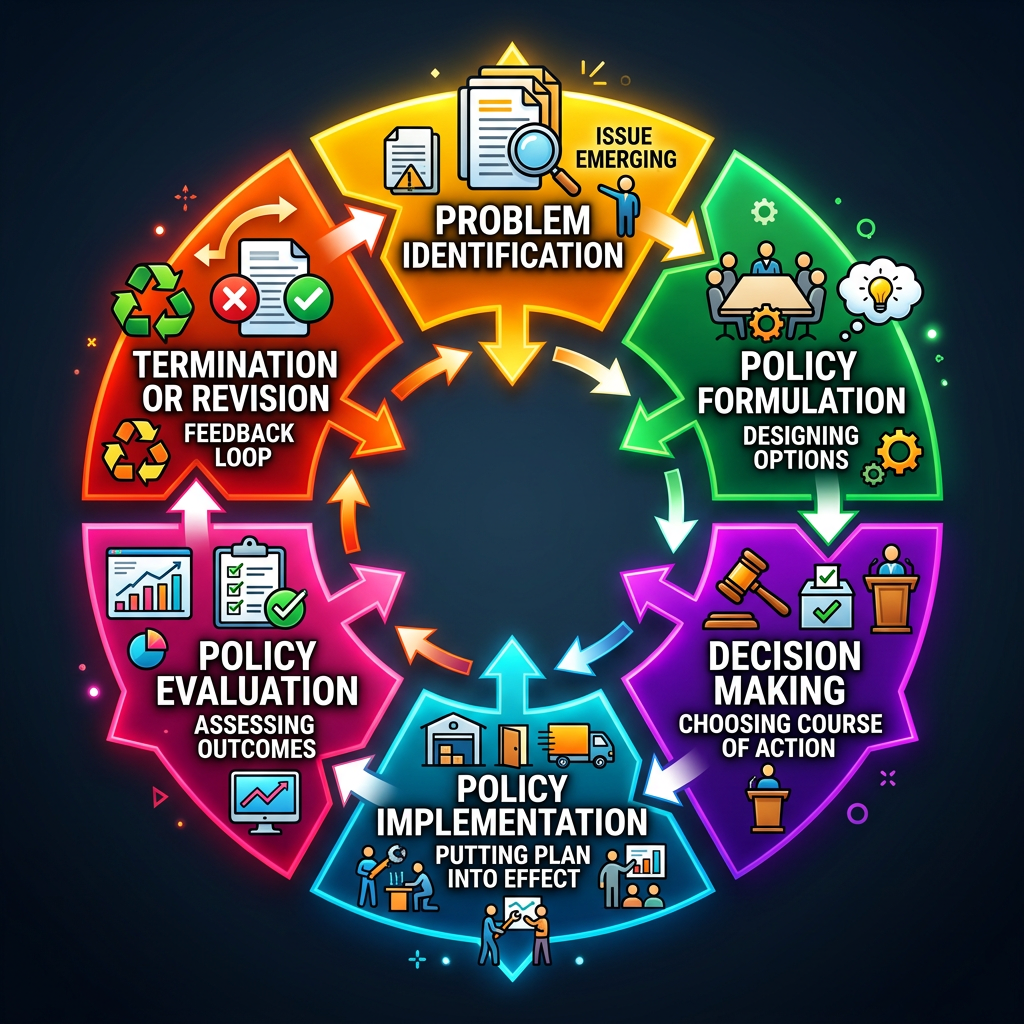
Increase contrast of policy cycle illustration

Mastering Government Consultations: A Strategic Guide

Governments often seek public input on proposed policies through formal consultations, crucial in shaping effective regulations. Success hinges on timely engagement during the formulation stage, adherence to the Gunning Principles for fair participation, and presenting well-structured, evidence-driven submissions. Collaboration and transparency enhance influence, enabling stakeholders to navigate policy processes effectively.

Mastering Government Consultations: A Strategic Guide Read More »

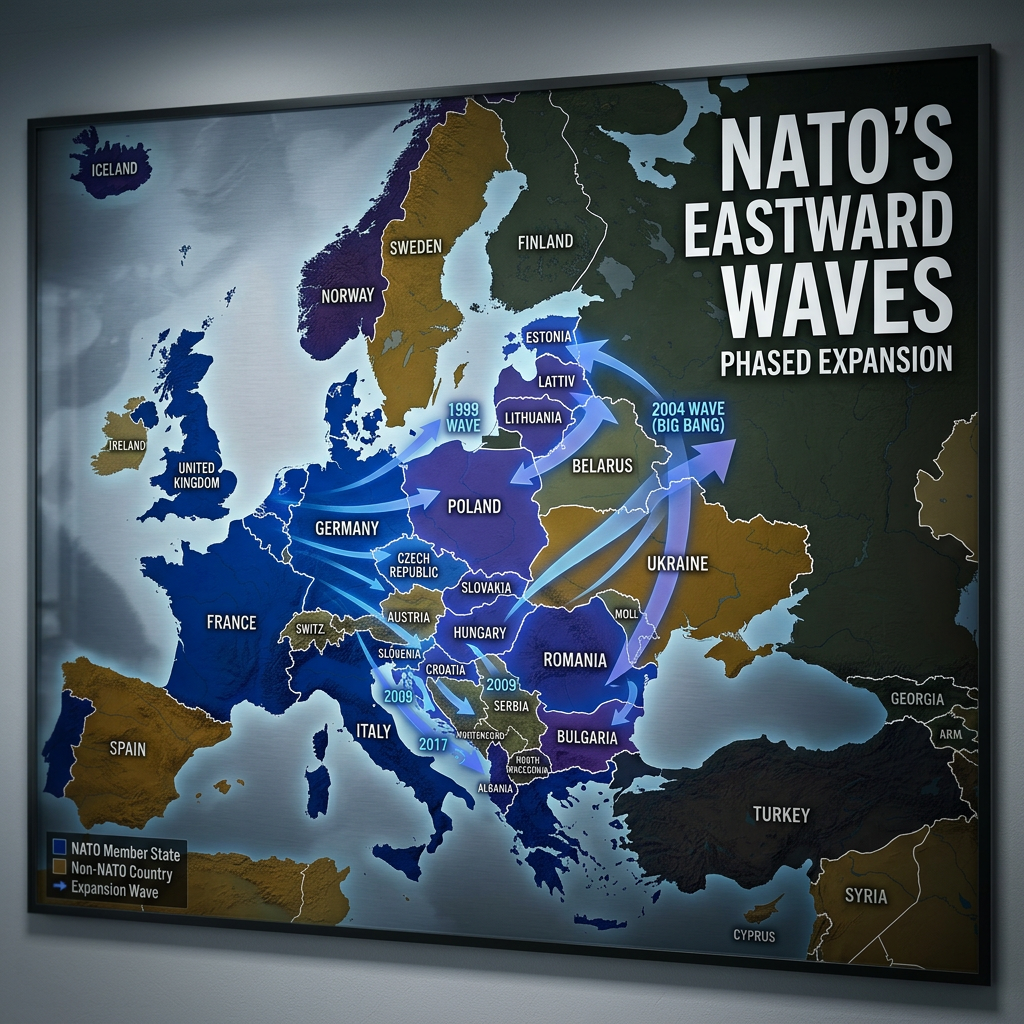
Map showing NATO member states and phased eastward expansion waves in Europe with arrows and years

NATO’s Strategic Expansion in Eastern Europe: Deterrence, Risk, and the Remaking of European Security

NATO’s enlargement into Central and Eastern Europe has fundamentally redefined the continent’s security landscape, post-Cold War. While offering protection to former Soviet-dominated states, it heightened tensions with Russia, amplifying perceptions of encirclement. The ongoing conflict in Ukraine underscores NATO’s pivotal role and the necessity for credible deterrence and commitment among member states.

NATO’s Strategic Expansion in Eastern Europe: Deterrence, Risk, and the Remaking of European Security Read More »

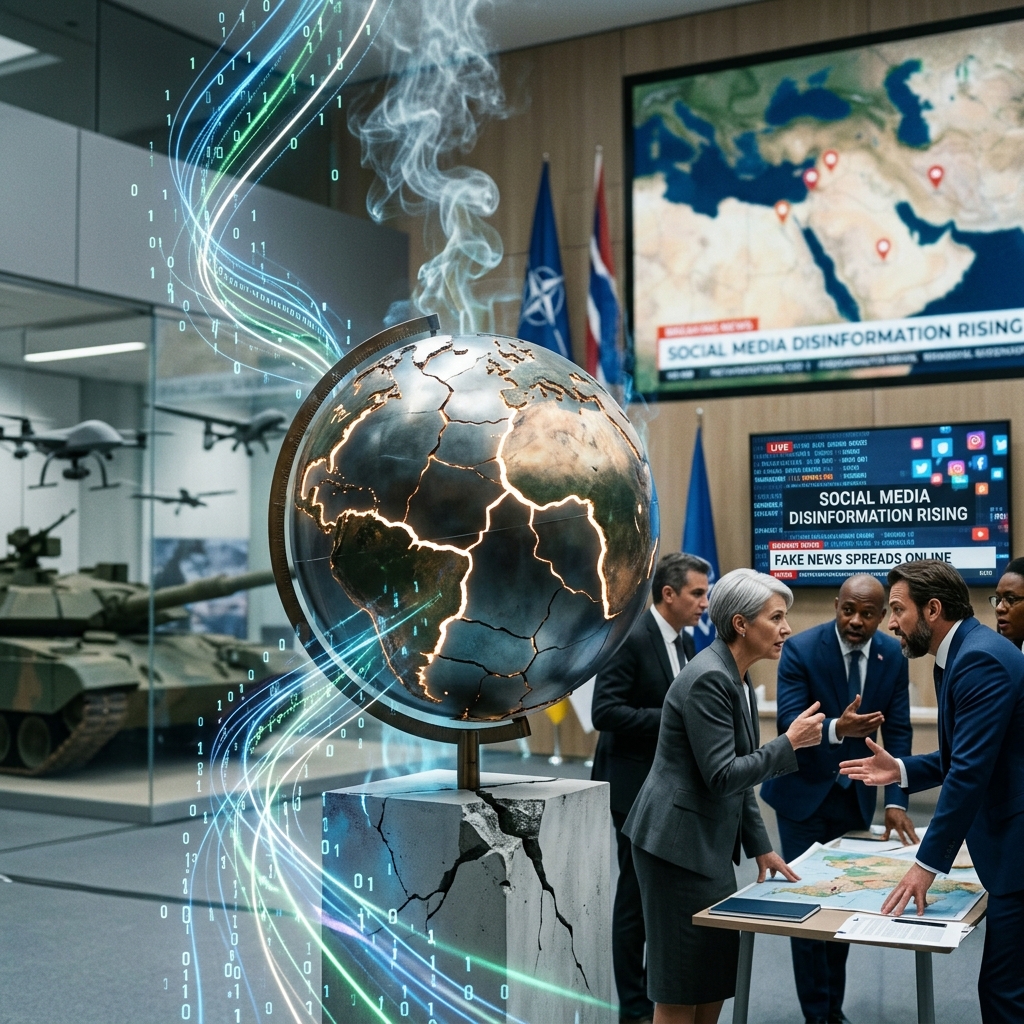
A realistic depiction of global security challenges in the post-American era, featuring a fractured globe surrounded by digital data streams, military equipment, and political leaders in intense discussion. The scene includes a blurred map of the Middle East, NATO flags, and a digital screen showing social media disinformation, symbolizing the interplay between traditional military power and modern information warfare

Global Security in the Post-American Era: How Bad Leadership and Information Warfare Are Reshaping the World

Meta Title: Global Security in the Post-American Era Meta Description: Explore how the post-American era and information warfare reshape global security. Discover the impact on NATO, Israel’s defense, and Hamas’s resilience. Are the foundational pillars of the international order collapsing before our eyes? As the geopolitical landscape shifts into what historians and foreign policy analysts

Global Security in the Post-American Era: How Bad Leadership and Information Warfare Are Reshaping the World Read More »

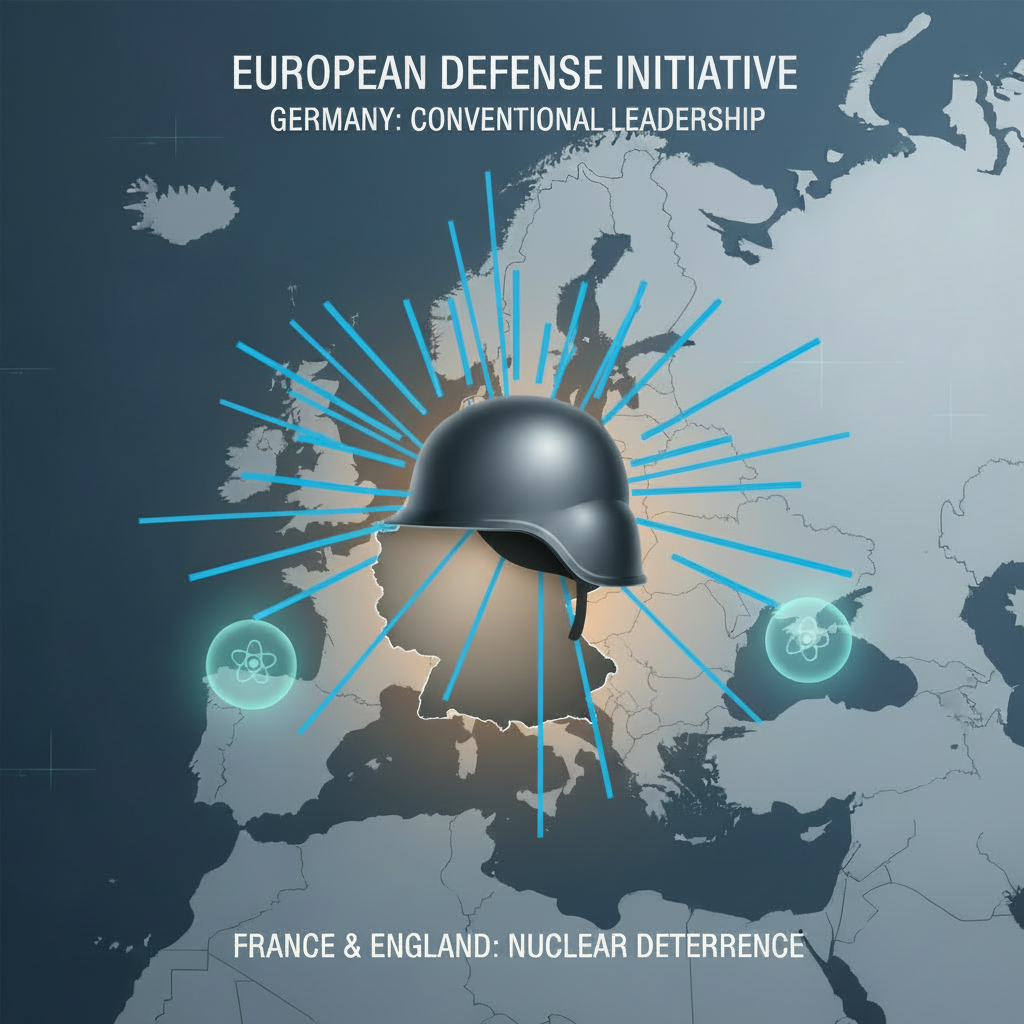
"An infographic illustrating Germany's leadership in European conventional rearmament, represented by a modern military helmet positioned slightly off-center on a glowing Europe. The globe features stylized outlines of European countries, with subtle nuclear symbols near France and England to signify their nuclear capabilities. The composition uses a professional, minimalist style with muted grays, blues, and metallic tones, emphasizing Germany's strategic role in European defense."

Le prochain hégémon de l’Europe : Les implications stratégiques et géopolitiques d’une Allemagne réarmée

Résumé analytique Le 27 février 2022, les plaques tectoniques de la sécurité européenne ont bougé. Lors d’une session extraordinaire du Bundestag, le chancelier Olaf Scholz a annoncé un Zeitenwende — un tournant décisif. Ce n’était pas une simple réaction à l’invasion de l’Ukraine par la Russie ; c’était l’abandon de près de huit décennies de

Le prochain hégémon de l’Europe : Les implications stratégiques et géopolitiques d’une Allemagne réarmée Read More »

"An infographic illustrating Germany's leadership in European conventional rearmament, represented by a modern military helmet positioned slightly off-center on a glowing Europe. The globe features stylized outlines of European countries, with subtle nuclear symbols near France and England to signify their nuclear capabilities. The composition uses a professional, minimalist style with muted grays, blues, and metallic tones, emphasizing Germany's strategic role in European defense."

Europe’s Next Hegemon: Strategic and Geopolitical Consequences of a Rearmed Germany

Executive Summary On February 27, 2022, Germany reached a turning point. Chancellor Olaf Scholz’s announcement of a Zeitenwende—a “watershed moment” in German foreign and security policy—was more than a pledge to funnel hundreds of billions of euros into the Bundeswehr. For the first time since World War II, Germany cast aside its long-held reservations about

Europe’s Next Hegemon: Strategic and Geopolitical Consequences of a Rearmed Germany Read More »

An editorial illustration depicting geopolitical tensions in the Middle East. The scene features a chessboard with symbolic chess pieces representing major powers like the United States, Iran, and Israel. Iconic landmarks and national flags are integrated into the background, while interconnected shadows symbolize Iranian proxies and regional actors. The atmosphere is serious, emphasizing high stakes and regional instability, rendered in a photorealistic style suitable for news or political analysis.

Tensions actuelles entre l’Iran, les États-Unis et Israël

Points Cles Contexte stratégique Histoire et évolution du programme nucléaire et balistique iranien Cadre juridique, conformité et régime de sanctions internationales Approches opérationnelles Dynamique régionale et rôle des groupes soutenus par l’Iran Conformité, chantage diplomatique et pressions internes La connexion Gaza : pièges tactiques et résilience du Hamas Présence et renforcement de la flotte américaine

Tensions actuelles entre l’Iran, les États-Unis et Israël Read More »

A high-tech command center with a large curved screen displaying a detailed world map and data visualizations. The room is dimly lit with ambient blue and white lighting, creating a focused and professional atmosphere. In the foreground, a sleek glass desk holds a tablet showcasing a digital dossier titled "Unified Geopolitical Analysis Rewrite," surrounded by minimalistic office items like a pen, notebook, and coffee cup. The scene conveys a sense of global strategy and data-driven decision-making.

La poudrière : repenser la dissuasion face à la nouvelle donne stratégique

Synthèse stratégique Qualifier le monde actuel de « poudrière », selon le général Pierre de Villiers, n’est pas du simple alarmisme : c’est le cœur des enjeux sécuritaires contemporains. Le « dividende de la paix » post-Guerre froide a disparu. À sa place, la résurgence des rivalités, l’effritement des régimes de contrôle des armements et

La poudrière : repenser la dissuasion face à la nouvelle donne stratégique Read More »

Illustration depicting global nuclear cooperation and legal agreements, symbolized by scales of justice, a globe, and the US flag, conveying balance and international law.

Section 123 Agreements and Nuclear Cooperation.

1. Introduction: The Stakes of International Nuclear Cooperation Civil nuclear partnerships are not simply commercial transactions; they represent a fusion of science, diplomacy, and global security management. As nations search for sustainable energy and technological self-sufficiency, robust international mechanisms are required to prevent the peaceful atom from fueling the spread of nuclear weapons. The U.S.

Section 123 Agreements and Nuclear Cooperation. Read More »