Strait of Hormuz

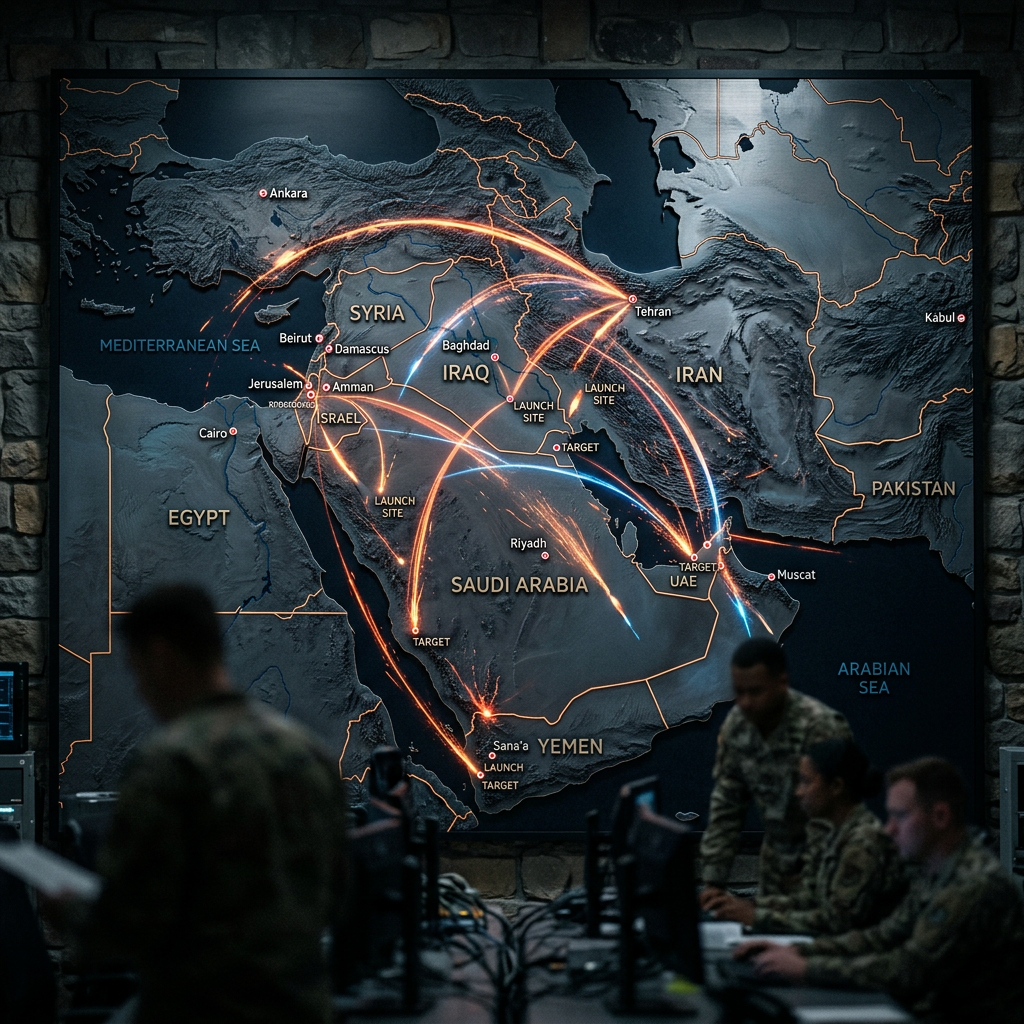
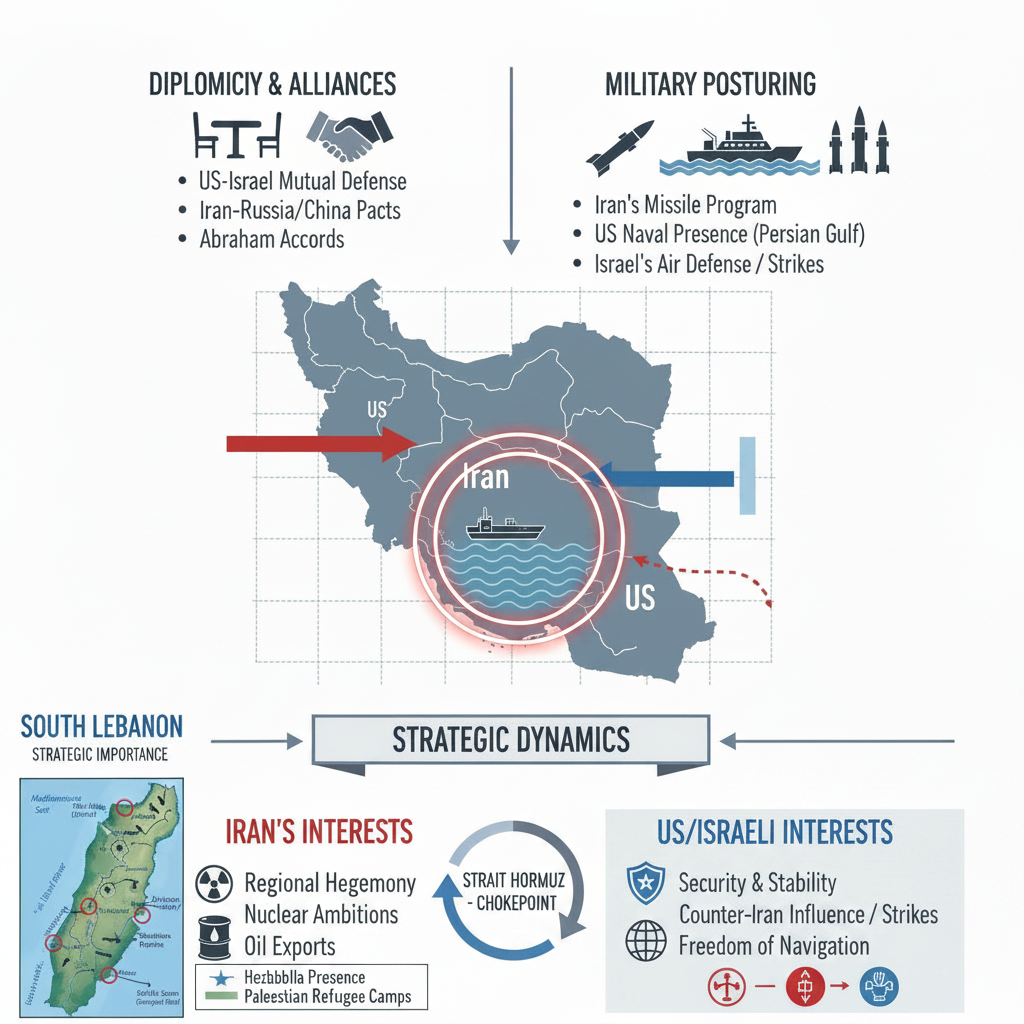
Infographic detailing geopolitical dynamics around Iran, highlighting strategic interests, military postures, and alliances between key global and regional actors, with a focus on South Lebanon

Navigating Tensions: A Fresh Look at the Evolving Iran–US–Israel Dynamics

Table of Contents Executive Summary The Middle East stands on the cusp of significant change, caught between energy shocks, evolving security alliances, and a clear shift in the historic partnership between the United States and Israel. A hard-won, two-week ceasefire between the U.S. and Iran was reached on April 7, with each side eager to […]

Navigating Tensions: A Fresh Look at the Evolving Iran–US–Israel Dynamics Read More »

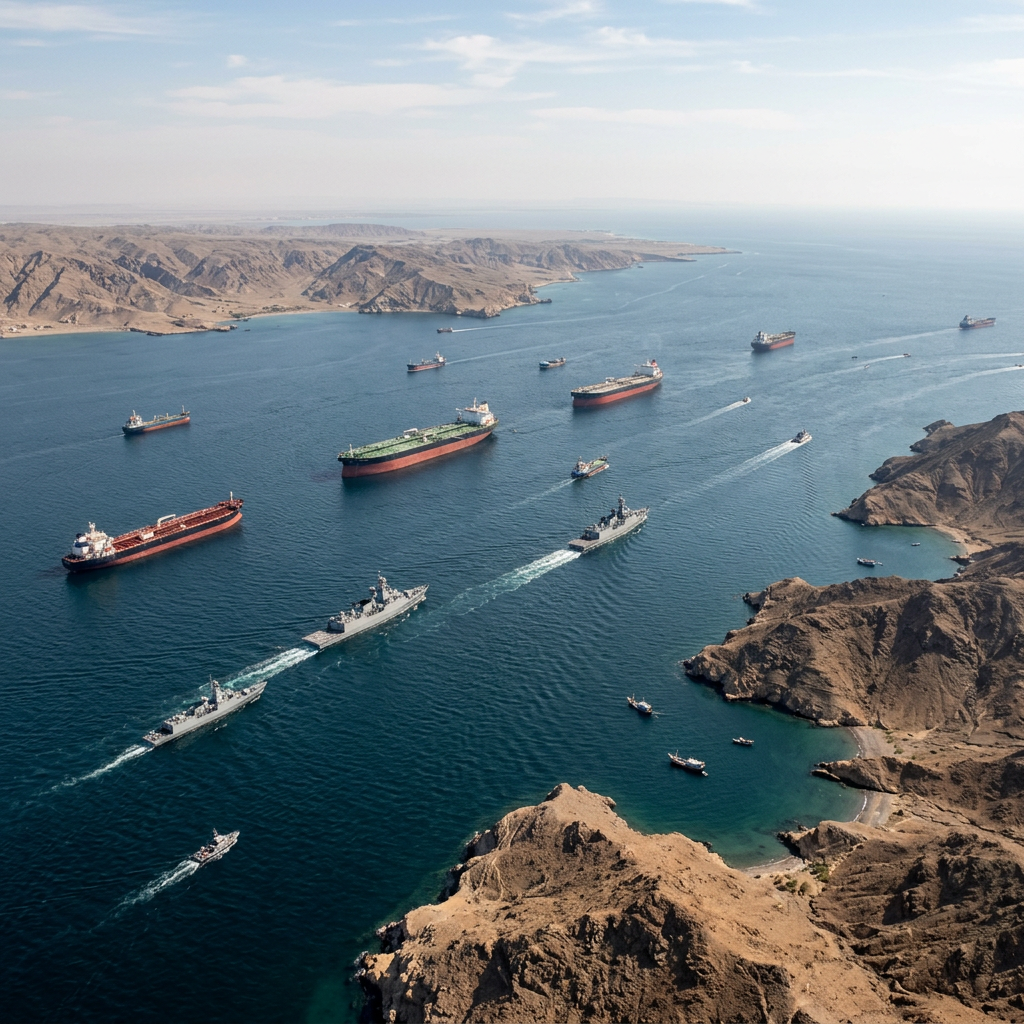
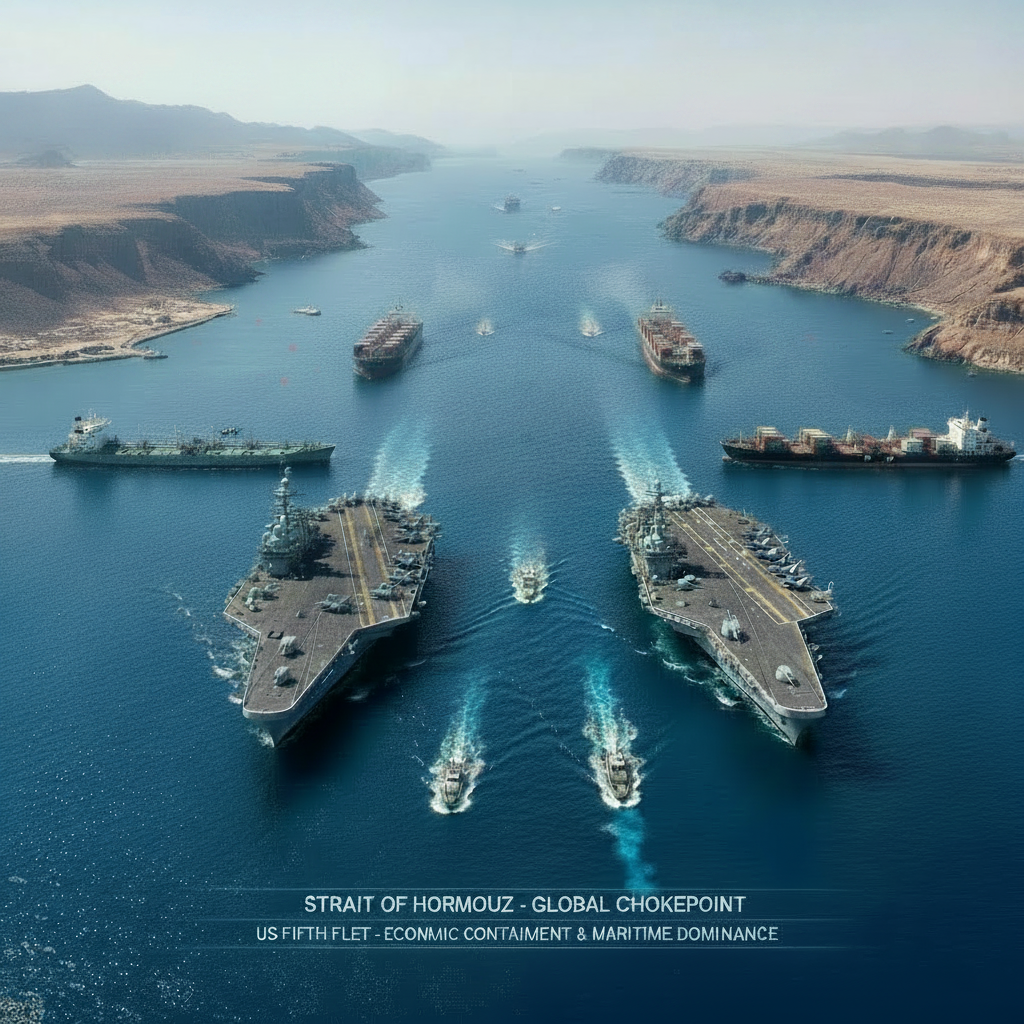
A high-resolution aerial view of the Strait of Hormuz, showcasing two massive aircraft carriers and their escorts alongside commercial vessels. The scene highlights global trade routes and military dominance, with no flags or emblems present, emphasizing the strategic importance of the maritime chokepoint

US Iran Strategic Report Update

Date: April 16, 2026Prepared by: Strategic Geopolitical Intelligence Unit – Responsible Public Affairs Executive Summary The strategic landscape of the Middle East is undergoing a defining transformation, driven by the decisive leadership of the United States and the uncompromising military resilience of Israel. Built upon the foundational successes of the “Maximum Pressure” doctrine championed by

US Iran Strategic Report Update Read More »

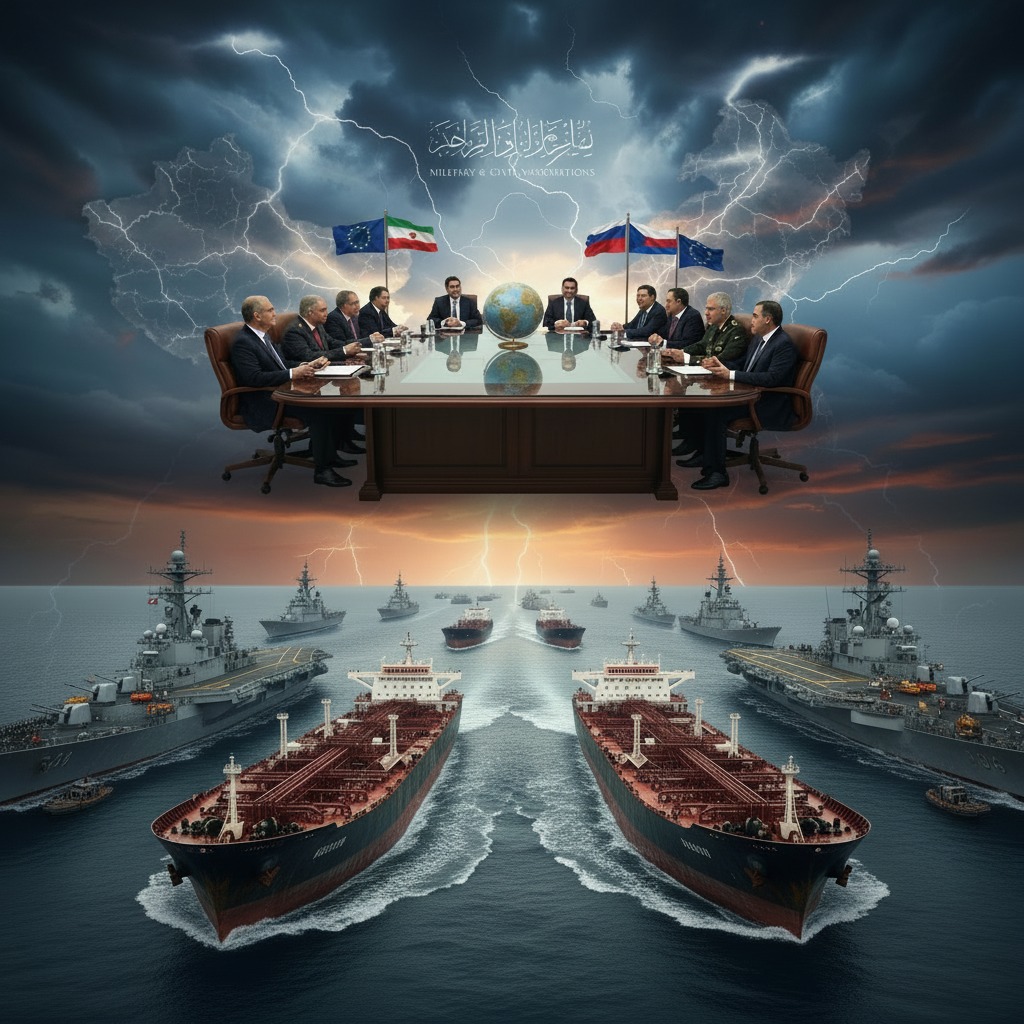
A dramatic composite image depicting high-stakes geopolitical discussions under a stormy sky, juxtaposed with a powerful naval fleet and oil tankers at sea, symbolizing global power dynamics and strategic tensions. Shadows of China and Russia loom in the background, representing their readiness to intervene with Iran

Negotiating Power and Leverage: Lessons from the Strait of Hormuz Stalemate

“Beyond the BATNA: Redefining Leverage in the Strait of Hormuz Stalemate”

This section explores how negotiators can redefine leverage even in seemingly powerless situations. It highlights strategies like cultivating partial alternatives, analyzing the counterparty’s hidden vulnerabilities, and reframing threats as warnings. For example, the text discusses how the U.S. could mitigate reliance on the Strait of Hormuz by developing alternative pipelines and renewable energy sources, thereby reducing Iran’s leverage. It also emphasizes the importance of mutual vulnerabilities, such as Iran’s dependence on the Strait for economic survival, and the use of tacit consent to create temporary solutions without formal agreements.

This approach demonstrates how creative negotiation tactics can shift power dynamics and achieve stability in high-stakes geopolitical conflicts.

Negotiating Power and Leverage: Lessons from the Strait of Hormuz Stalemate Read More »